


A Word In Edgewise: Home and Hunger; Loss and Longing
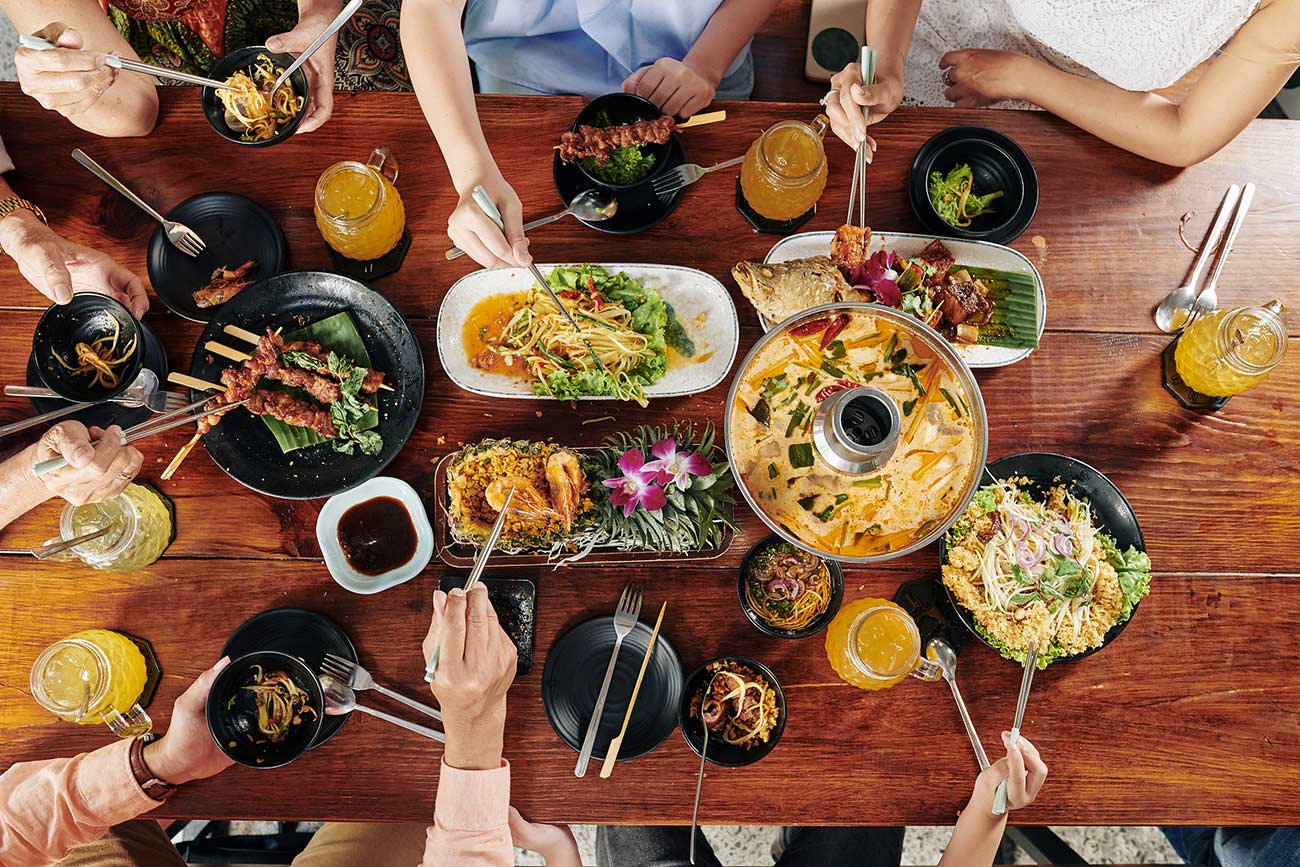
Have you ever travelled in foreign lands? When you do, are you adventurous, sampling the local cuisines, or do you frantically search for something well-known, comforting, even when strolling about Paris, City of Light, or basking on a sun-warmed Barbados beach, always yearning for a link to home?
What if, for whatever reason — war, politics, seeking a safer life — you’ve had to actually leave your native home and hearth, have, for example, as a child or adult, been transplanted to Minnesota? Are there foodstuffs for which you still hunger, whose loss you mourn?
The anthology “What We Hunger For,” edited by Sun Yung Shin, editor of “A Good Time for the Truth: Race in Minnesota,” author of the children’s book “Cooper’s Lesson,” and whose poetry collection, “Unbearable Splendor,” won a Minnesota Book Award, presents 14 Minnesotans’ responses to that very question.
Contributors to this Minnesota Historical Society Press volume are transplanted writers whose often impassioned essays attest to the worldwide need for nourishment, of both body and spirit, and the myriad ways that regional foods connect to family and the sharing of love itself.
While authors’ varied backgrounds include Hmong, Laotian, Syrian, Haitian, Afghan, Ugandan, Sikh, South Korean and Somali, food is the binding thread throughout. Some offer specific recipes for special ingredients; others relate to their new environment. Roy G. Guzmán’s “Beans or Bullets: A Feminist Reading of Baleadas” is just that — a societal take on that specific foodstuff.
Kou B. Thao’s “Mov Ntse Dlej” asserts, “Every Hmong child grew up eating mov nise dlej whether they were raised in Chiang Mai, Thailand, or Milwaukee, Wisconsin.” Minnesota doctors often criticize the over-consumption of this innocuous dish of warm, steamed rice doused in cold water. But, explains Thao, it’s “central to who we are and our existence.” When doctors warn, “Don’t eat so much rice,” and “Don’t eat so much meat,” it’s seen as a slap in the face of those who worked so hard to feed their families, to survive; to arrive here. It’s not that doctors are wrong, Thao concedes, but “Don’t punish us for surviving and blame our culture.”
Approaches to cooking vary widely. Lina Jamoul’s “Fragments of Food Memories; or Love Letters to My Dad,” notes, “Arabs don’t really bake … There is little precision, few specific ingredients, and not a lot of attention to exact timing in Arab cooking. We throw things together … I guess that’s why you were either a good cook or you weren’t.”
Others, like Valérie Déus in “Haitian Kitchen,” offer quite specific recipes, listing directions for Banan Peze, or Fried Plantains, and Mori, Salted Codfish. If you’re game, try the instructions for How to Make Lao Beef Jerky in Saymoukda Duangphouxay Vongsay’s essay, “The Summer of Lao Beef Jerky at Rivoli.”
Memory, though not always accurate, is persistent and runs deep. I remember my Mississippi-born dad as likely the sole Connecticut gardener tending 20 running-feet of okra or consuming chicken hearts and gizzards. (Later, at college, no one ever pilfered my food containers.)
What are your food memories? Even those still living in the town where they were born may have strong and enduring experiences based on early years around the family dining table. What did you cherish? Abhor? Were/are your feelings strong in either direction? Holidays rush upon us; will you smile heading home, or close your door and settle in solo?
These fascinating essays show how gastronomically diverse the world’s perception of food is, including those of your neighbors right here in Minnesota.






5200 Willson Road, Suite 316 • Edina, MN 55424
©2026 Lavender Media, Inc.
PICKUP AT ONE OF OUR DISTRIBUTION SITES IS LIMITED TO ONE COPY PER PERSON