



A Word In Edgewise: All in the Family, Always
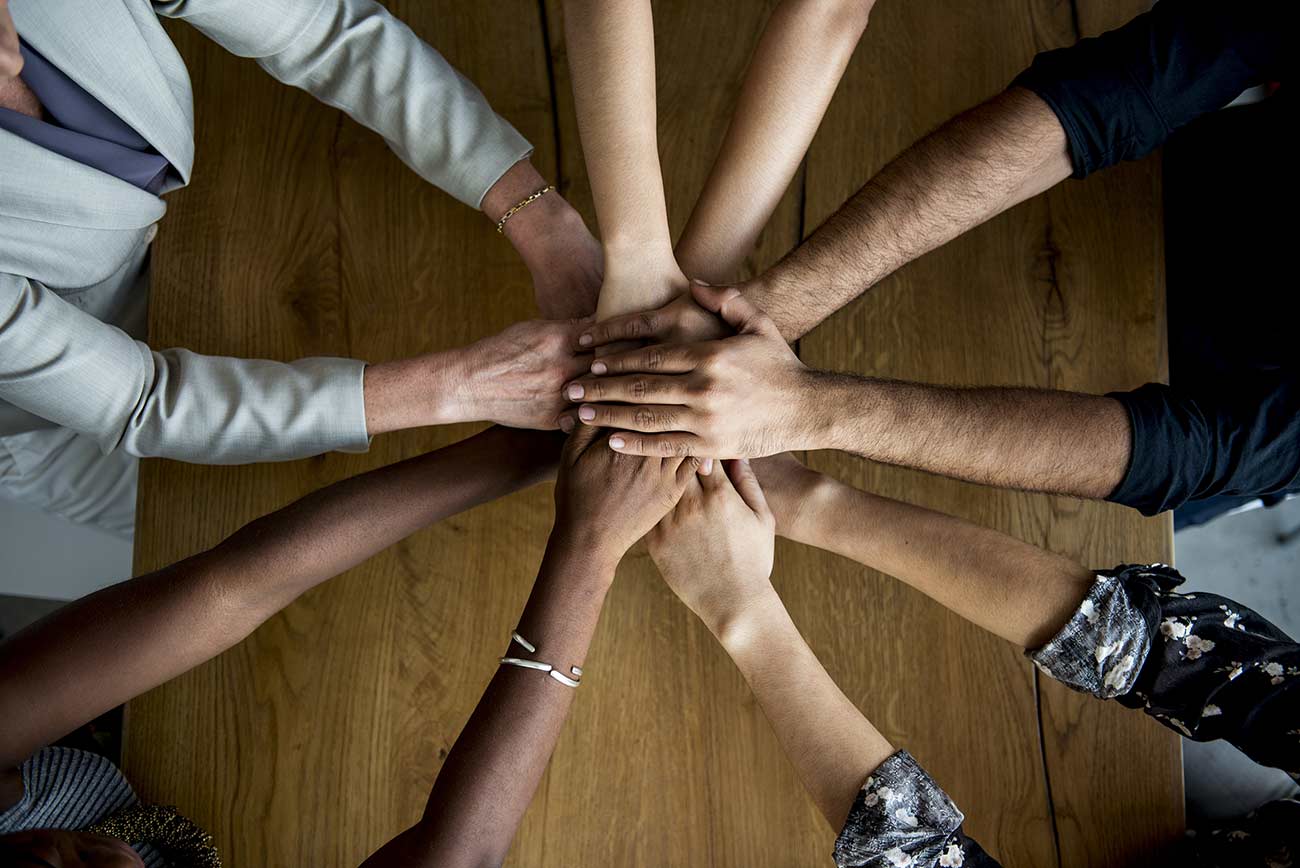
Families have been all-important since the dawn of time, at least since some early ancestor discovered they were a necessary unit for keeping oneself alive, to assure their regular meals and, finally, to hoard, to protect and assure that whatever went for wealth in their time passed on into the future so that their own specific line might survive. How these beings processed concepts of “future” or “valuable,” we can’t pinpoint exactly, but looking back over our own history, we may surmise these qualities had to do with gaining power over others, and that they were worth defending to the death.
Much — yet not so much — has changed from our misty dawn origins to our exhaust-ridden present. “Family” has myriad expressions, not all centering around blood-kin and Habsburg chins. It’s interesting, if one happens to read a wide range of printed material — in which I include not only books, fiction and non-, but also the “agony-aunt” tales that have jumped ship at the supermarkets to infest social media.
Two novels I’ve read recently illustrate how wide is the net, how broad is the definition that may encompass the bonds between “siblings.”
While the actions of Saleem Haddad’s “Floodlines” take place in the autumn of 2014, the family drama runs back to 1950s Baghdad and on through today’s London, Yemeni refugee camps and varied dreams, including a long-desired Tigris River project. Elderly Bridget Mathloum, British mother of sisters Zaineb, Ishtar and Medhan, grandmother of Zainab’s gay son Nizar, has long held a secret concerning the death of her husband. Haydar Mathloum. Haydar was a highly-celebrated Iraqi artist whose works, decades lost, have now been found, and are central to the warring sisters who each have an agenda. Iraqi history, past and present, surrounds them all, but you needn’t be of a particular heritage or religion to see storms ahead for three different personalities colliding over how to handle an art collection now worth millions in whatever specie.
As Haddad weaves disparate threads of time, war, art and conflict into a compelling narrative, so does Jonathan Stone in “Prison Minyan.” However, where “Floodlines” flows through different countries, religions and conflicts of blood kin, Stone’s characters are not blood kin, but are perforce confined to Otisville for their various felonies. America’s only Jewish prison, Otisville offers a kosher deli and a minyan (the quorum of 10 Jewish adults required for study) led by a fellow felon rabbi in discussions of prayer and ethics. A lesbian professor is allowed in to teach a poetry seminar.
Quite cushy until the order is disturbed by a tighter reining in, in part to punish a new inmate who’s offended the 45th President in some unspecified manner. No more super chef! No special noshes! The minyan regroups, drawing upon their own special talents — fraud, forgery, digital chicanery and more — to create a faux even-higher-up yet off-camera official to override the newcomer and restore “order” and breakfast bagels, blintzes and rugelach. When the con crumbles, and the sympathetic poet-professor’s life is endangered, all inmates band together in a hilarious yet hair-raising and Holocaust-evoking solution.
Stone’s satire is sharp, pulling all the stops to a climax with a powerful image of a threatened family uniting despite existing inner tensions and disagreements to face a greater danger.
From the Labdacids of Sophocles to Faulkner’s Snopes family ties, whether blood or chosen, families are the drivers of fiction and reality. From the personal to the presidential, you dismiss the strength of those bonds at your peril.





5200 Willson Road, Suite 316 • Edina, MN 55424
©2026 Lavender Media, Inc.
PICKUP AT ONE OF OUR DISTRIBUTION SITES IS LIMITED TO ONE COPY PER PERSON