
Veterans Fought for Us. Why Shouldn’t We Fight for Them?
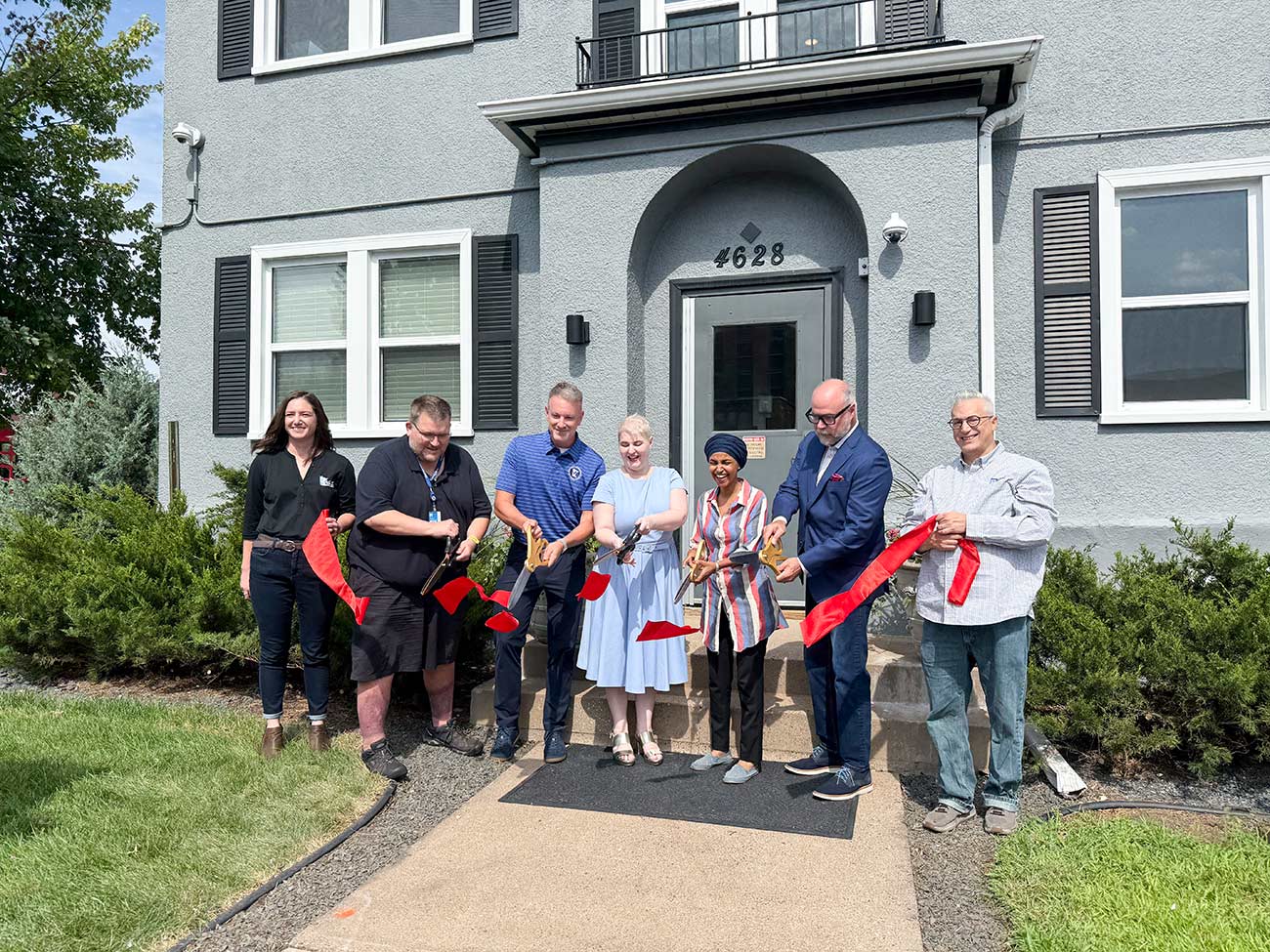
Lavender had the privilege of sitting down with Minnesota Assistance Council for Veterans (MACV) Vice President of Property Operations, Sara Riegle. Riegle immediately expressed her appreciation for veterans and her passion for lending a hand to those who raised a hand and took the oath to protect and serve their country. MACV specializes in housing, legal and employment support for veterans in need after they transition out of the military and navigate civilian life. A deep and persistent area Riegle mentioned that affects vets the most is homelessness; an unfortunate crisis that affects veterans at higher rates due to service-connected trauma, health barriers, economic instability and gaps in systemic support. MACV has pledged to achieve a functional zero in homelessness among veterans in Minnesota and set an example by advocating that access to housing should be a right. MACV has been on a continuous mission to close these gaps.
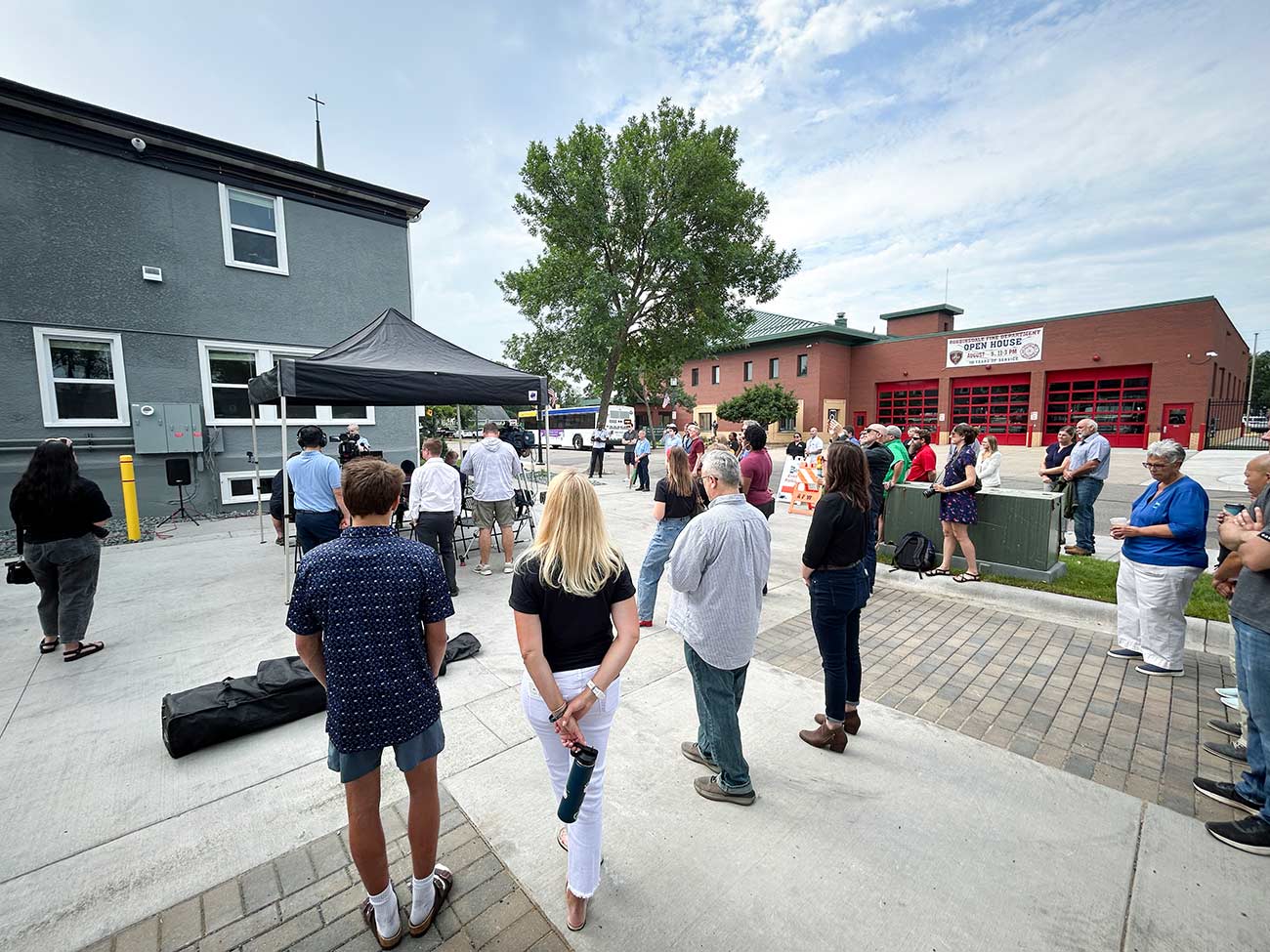
For example, a recent project involving the building formerly known as the Robin Hotel upcycled and repurposed it to serve as multi-unit housing for homeless and at-risk veterans. This project compounds the goal of decreasing the number of unhoused veterans both quantitatively and qualitatively. An additional 14 remodeled units address the quantitative aspect, while their careful and intentional reconstruction adds to the qualitative aspect. Furthermore, this renovation adds to the nearly 70 years of the building’s history of serving many lives, from housing elderly men on pensions in the 1970s to offering low-cost rooms to people living on the edge of stability. It will forever hold the memory of providing those in need with a place to land.
Beauty alone wasn’t enough because the interior was aging, and the shared spaces offered little privacy throughout the building. It no longer reflected the dignity of the people who relied on it.
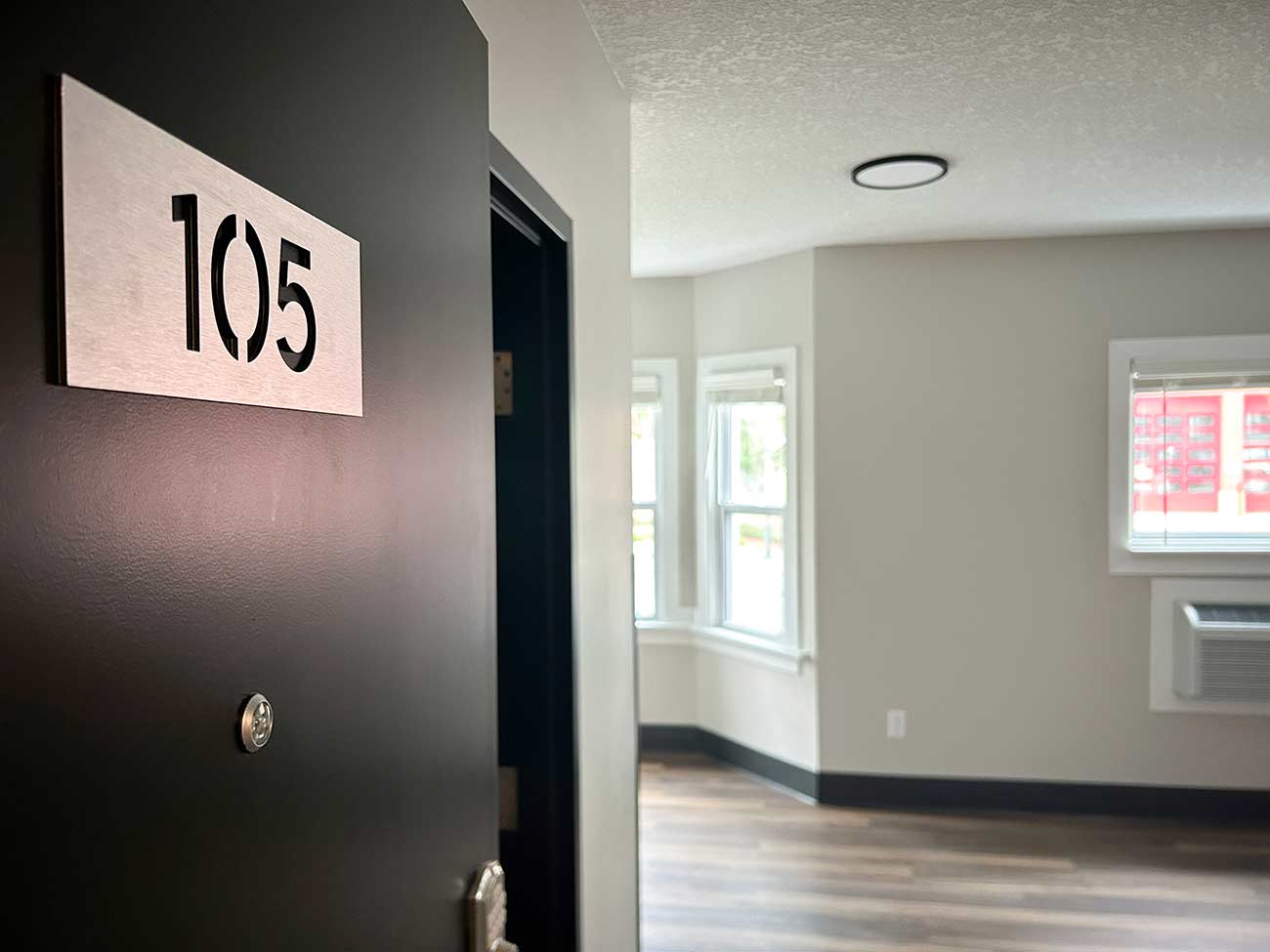
“Restoration is deeper than renovation, and shared, adaptive reuse lets us carry history forward,” Riegle says. “If a building already holds stories of care, we do not need to start over. We can build on what’s already there.”
Inside The Robin, MACV has sourced a Resident Services Coordinator whose main role is to support veteran residents through parts of healing that housing alone cannot fix. They will provide services including credit and financial literacy information, navigating VA benefits, family and community connections, and rehabilitation and integration into society.
“Some residents are coming from tents, others from shelter beds and many from long periods of isolation,” Riegle says. “They need a different type of long-term support that encourages their growth.”
Veterans who have faced difficult situations have an opportunity to relearn how to live in a place called home. And speaking of home, Riegle mentions that there were design methods of inclusivity that went into planning and execution.
“We intentionally designed The Robin to affirm belonging, especially for our LGBTQ veterans, including transgender veterans who have recently experienced discrimination and or trauma during service and or while seeking safe shelter,” she shares.
The Robin features full private, gender neutral bathrooms with reinforced locks. This detail communicates safety and respect. The building’s artwork helps to emphasize the diverse forms of military service, including the Black, Native, LGBTQ+ and other lesser-known veteran histories often left out of overall narratives.
We asked Riegle what she would hope the narrative would be if someone were to come across the history of their work with The Robin 70 years from now, and learned about the overall initiative of solving the issues of veteran homelessness.
She responded, “I hope they say we were brave enough to try something new. That we didn’t give up when things were complicated. And that we created something beautiful and lasting for veterans because they deserved it.”
The Robin symbolizes that home is not just a structure; it is a continued story we choose to add to. Buildings and architectures that carry history remind us that healing is not always loud or immediate. But it can be intimate and quiet. The Robin has sheltered many before and will continue to do so. If veterans fought for us, then the least we can do is fight effortlessly for them and with them. Their healing and safety are our duty.

5200 Willson Road, Suite 316 • Edina, MN 55424
©2026 Lavender Media, Inc.
PICKUP AT ONE OF OUR DISTRIBUTION SITES IS LIMITED TO ONE COPY PER PERSON