



Supporting Community and Sustainability with Robbinsdale Recreation
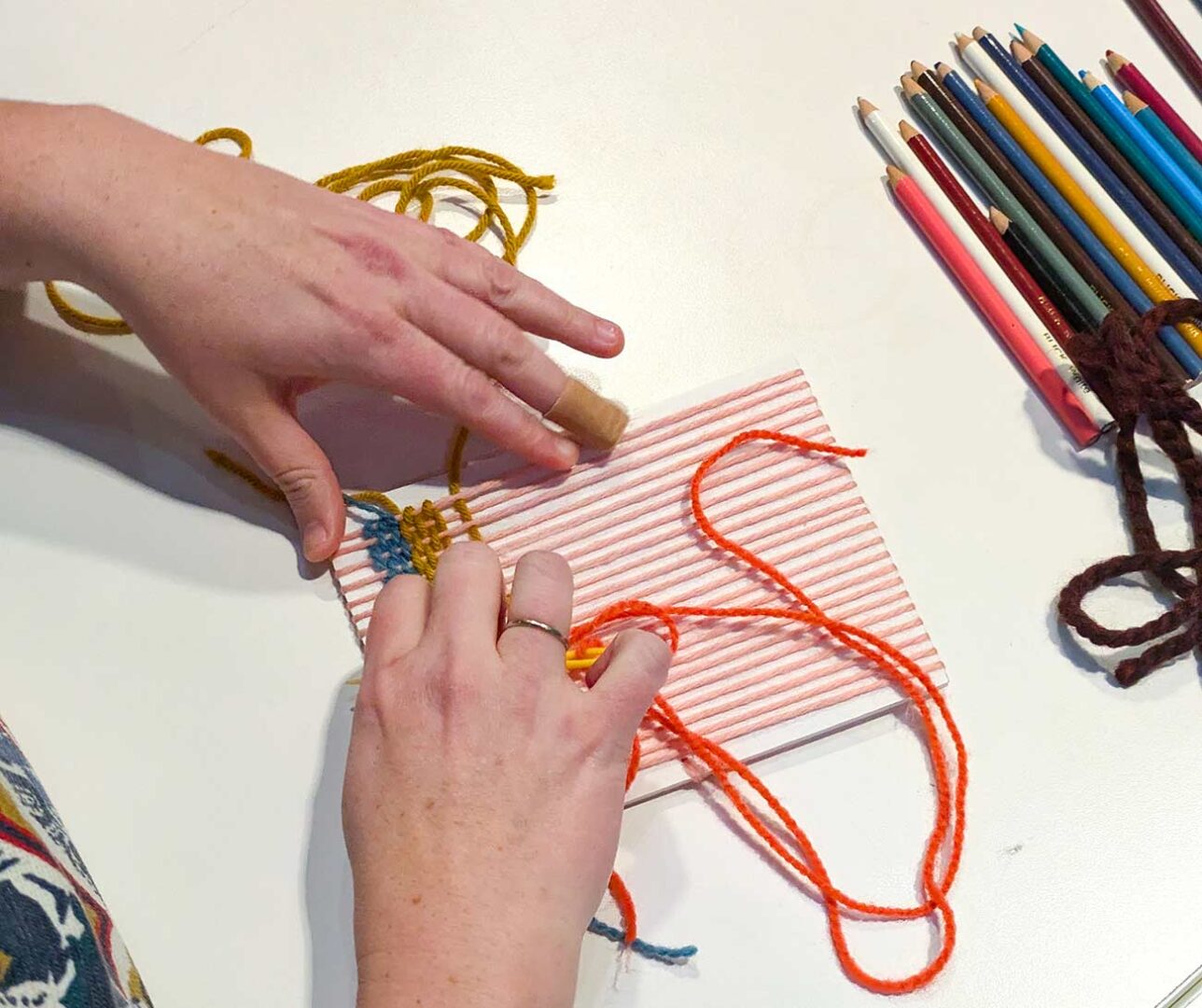
About a year ago, William Cardenas, the community engagement coordinator for the city of Robbinsdale, Minn., applied for a grant to fund the creation of a program focusing on education, inclusivity and diversity.
Coming from a background in DEI, Cardenas knew that he wanted the program to reflect values of accessibility, inclusivity and protecting one’s differences. Therefore, he decided to center the program around teens who were members or allies of the LGBTQ+ community.
“I see a lot of what my community here in Robbinsdale is going through currently, and then also just other communities that are needing just that additional support and that additional sort of safety net,” Cardenas says. “So I guess it works out well in my position where I can be a resource for them and they can come into City Hall and feel heard … That’s what I’ve been trying to build here, just sort of a central hub where people can come in and ask questions and feel like they belong.”
Throughout the process of creating the program, Cardenas was connected with Harper Steinbach, a Twin Cities-based artist who had previously held the same role as Cardenas, being the community engagement coordinator for the city of Robbinsdale. During her time in the role, she had helped to organize an arts-based program for the city of Crystal, Minn. Taking inspiration from Steinbach’s artistic approach, Cardenas considered creating another art-based program.
“I knew what audience I wanted to provide more inclusive programming towards. I just had no clue … at first, what sort of program I could do. Because I know Harper … had done an arts program before … it was a spur in the moment where I was just visiting my parents and my mom was using a sewing machine.” Cardenas says. “It just hit me there where I realized that I didn’t know how to use this sort of thing, and then just with … priorities here in Robbinsdale around sustainability, it kind of all just worked out perfectly and meshed perfectly where it just felt right.”
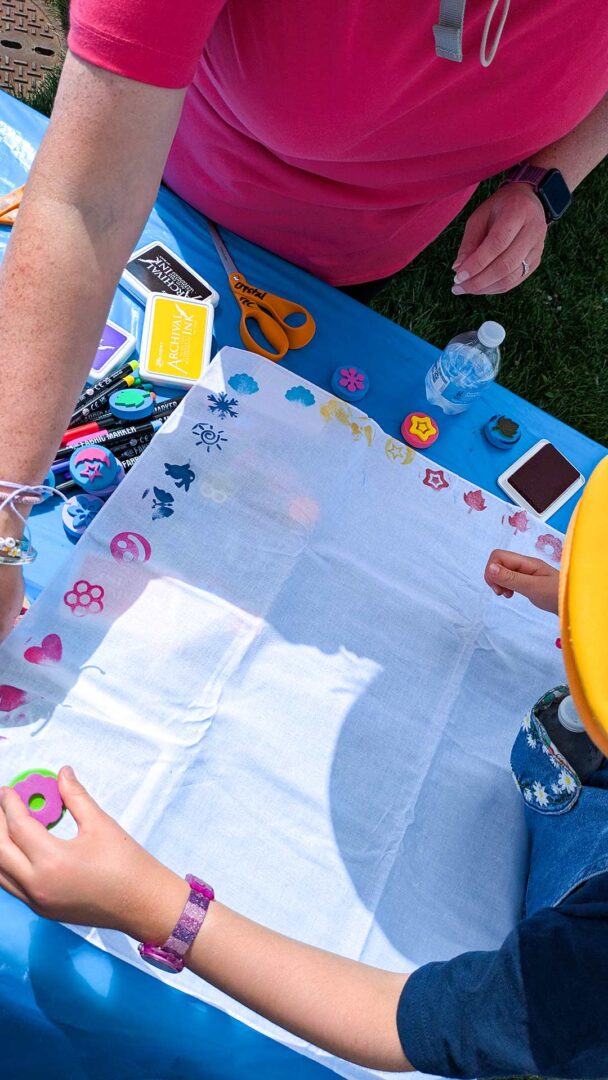
Together, Steinbach and Harper worked to create an upcycling program targeted toward LGBTQ+ teens and allies. To make the program as accessible as possible, they had to consider the numerous obstacles that might prevent someone from being able to participate.
The first obstacle they sought to address was the difference in knowledge surrounding the arts. To ensure everybody from all different types of backgrounds could participate, it was essential that the program offered education to participants in a way that was easy to digest and understand.
“I work with HCMC and children’s hospitals, specifically with queer and trans teens and children … One thing that I was noticing is that … we’re starting to get both artists and teams that aren’t necessarily artistically inclined, want to come in and make stuff, especially when you lean towards more functional DIY stuff,” Steinbach says. “I think because of the gap in knowledge of like … there’s not a lot of young people that get exposure to fine arts anymore, we need to start shifting our subject matter towards things that are understandable and relatable to that age.”
In addition to education, Cardenas and Steinbach also considered any financial obstacles that may stand in the way of participants joining the program and attempted to eliminate them. They accomplished this by not only making the program free to join, including the materials used, but also the materials are something that are easy to source in the chance that someone would like to make the project again.
“I’m doing lesson planning, curriculum building, … I try and use materials in which people can get access to them very easily if they would like to replicate the project again,” Steinbach says. “That’s one thing is, I try and make lesson plans that people get excited because they can come and learn how to do stuff and then take that knowledge home with them. So, it’s really approachable in terms of both technical skill and supplies.”
Overall, Steinbach wants the event to feel welcoming for all. She attempts to foster a “light vibe” by allowing students to choose the music they would like to listen to. Students are also encouraged to get to know one another through the use of conversation starters sprinkled throughout the day. Through their efforts, and with a collaboration with the city of Crystal, Minn., Cardenas and Steinbach were able to launch the free upcycling program on January 6. Alternating every Tuesday until March 17, LGBTQ+ teens and allies who have registered for the program have the opportunity to join Steinbach at the Crystal Community Center as she shares new artistic techniques and skills. For more information, please visit robbinsdalemn.gov



5200 Willson Road, Suite 316 • Edina, MN 55424
©2026 Lavender Media, Inc.
PICKUP AT ONE OF OUR DISTRIBUTION SITES IS LIMITED TO ONE COPY PER PERSON