


Safe Space, Real Talk: The Rise of Queer-Affirming Therapy in Minnesota
In recent years, the landscape of mental health care for LGBTQ+ individuals has shifted in a powerful and long-overdue direction. Queer-affirming therapy (also called LGBTQ+-affirmative therapy) is a mental health approach that validates, celebrates and supports queer identities and has been on the rise throughout Minnesota, particularly in the Twin Cities.
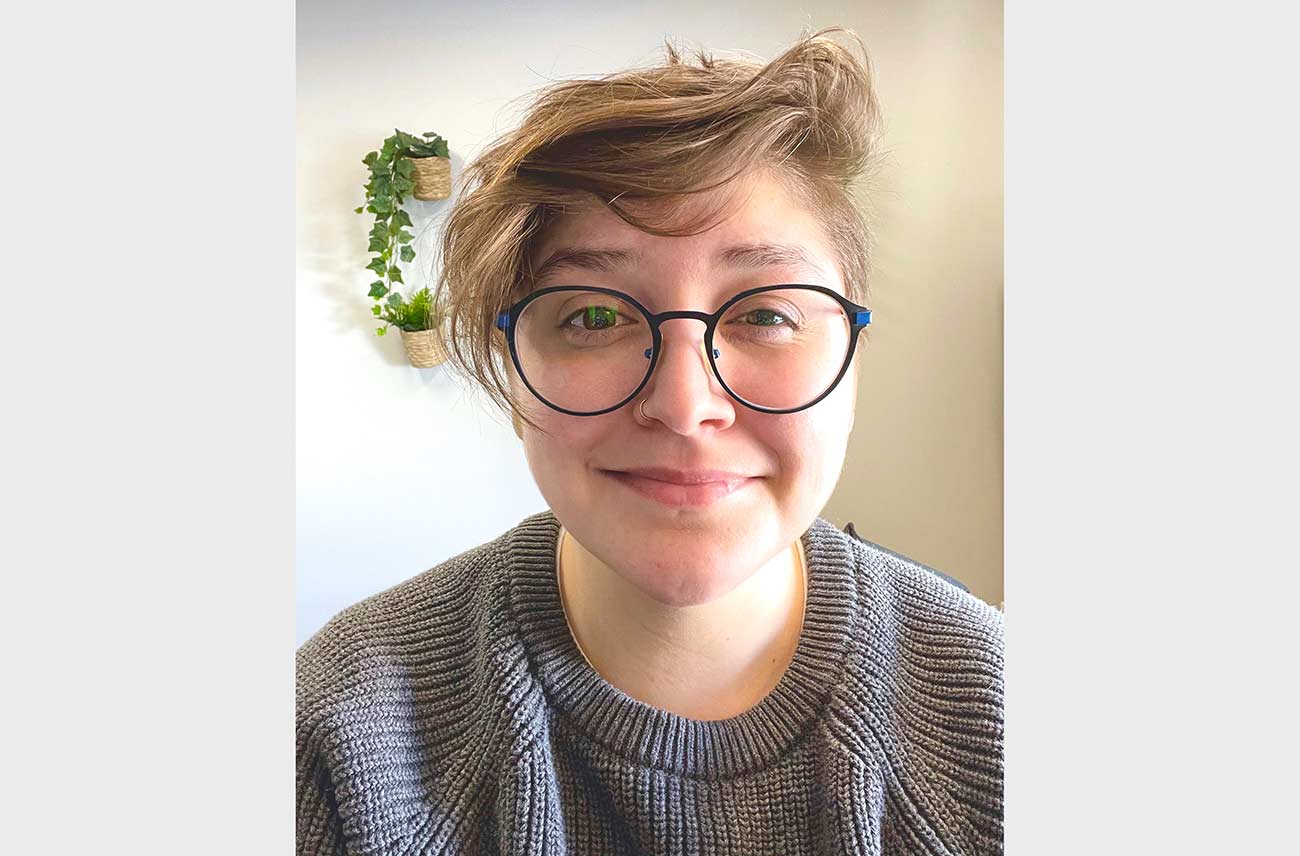
Sara Kelly (she/her) — The Family Partnership
Sara Kelly currently works as an Outpatient Therapist for The Family Partnership, a Minneapolis-based nonprofit human services organization founded in 1878 that became the first family service agency in the U.S. to provide an affirmative counseling program for lesbian, gay, bisexual and transgender (LGBTQ) individuals and families in 1975.
The Family Partnership serves primarily underserved communities, and in addition to therapeutic services, the organization offers a multicultural therapeutic preschool. The organization also has a Pride program, which is a community outreach and drop-in support center for people who are at risk of or have previously experienced sexual exploitation.
As an outpatient therapist, Kelly sees individuals and couples both in-person and in a virtual setting. She works with clients from the ages of 13 to 85, with most patients being in their 30s and 95% of her clientele being part of the queer community.
Having been with the organization for 3.5 years, Kelly is trained in providing queer-affirming therapy to her clients. She describes it as an experience that is “Open, accepting and a place where clients can come as they are.”
“Sometimes people get it wrong and view queer-affirming therapy as the client’s only issues revolving around queerness and being trans, but that’s pretty rarely the case,” Kelly explains. “People are people and we have all sorts of complicated lives.”
Kelly believes that being knowledgeable and skilled in working with marginalized identities is really the backbone of any kind of affirming therapy.
“Queer-affirming therapy is important and needed because it’s such an underserved community,” Kelly continues. “There are many statistics out there that support the notion that, disproportionally, queer folks experience all sorts of trauma and all sorts of painful, harmful marginalization. They want to come to therapy and feel supported.”
In her undergraduate studies, Kelly focused a lot on queer theory, race theory and other critical thinking courses. Every two years, Kelly must complete 40 hours of continuing education. She intentionally seeks out queer-, trans-, and poly-specific programming and education.
“To me, part of it is just being in the community,” Kelly says. “I’m a gay person who happens to run in the same circles as a lot of my clients.”
To create a comfortable space for her clients, Kelly describes her approach as being “absolutely blunt” about her lack of judgment.
“I am not going to shift how I view you as a fundamentally good, worthwhile person based on anything you do in your spare time, who you are or how you identify,” Kelly says.
At the door, she checks in with clients about what names and pronouns feel good to them.
“Having a lot of humility helps because no one gets everything entirely right,” Kelly says.
Regarding clients who come out or face rejection from family and friends, Kelly says that this is, unfortunately, a recurring theme.
“I try to make sure that my clients are still affirmed in who they are and reiterate that what is acceptable to one person doesn’t have to have any bearing on what you are allowed to do,” she says.
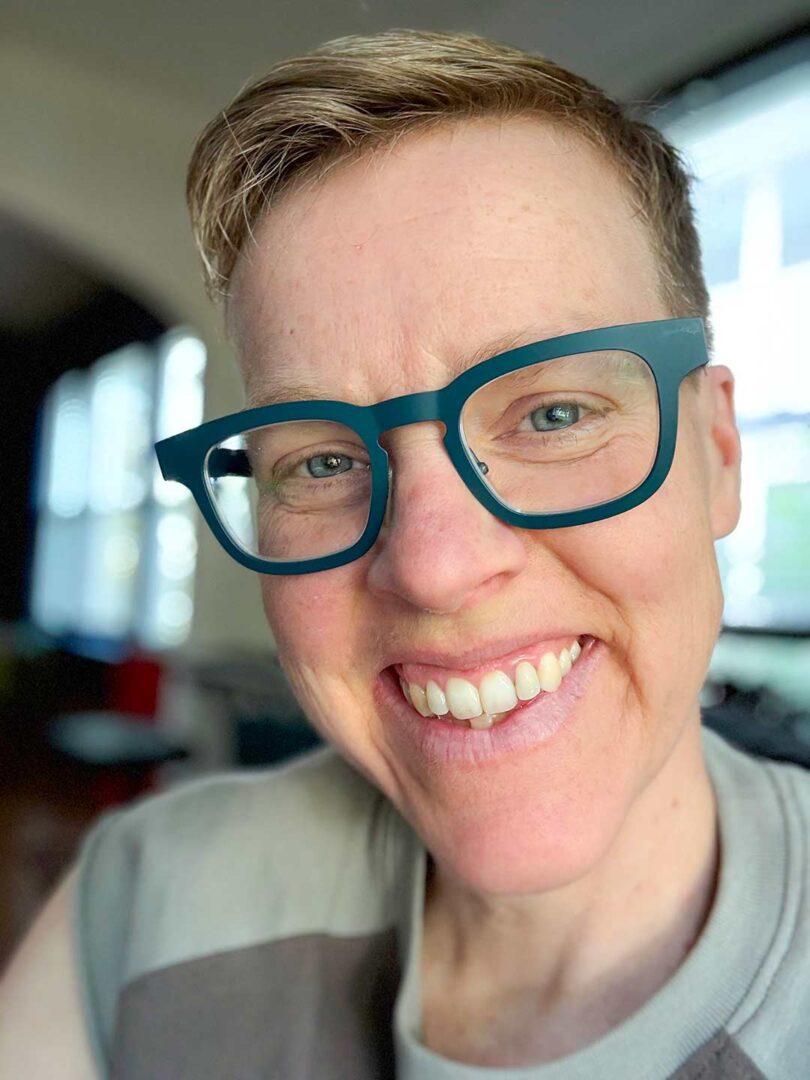
Diver Van Avery (they/them) — LynLake Centers for Wellbeing
As a therapist of four years with LynLake Centers for Wellbeing, Van Avery’s role is to schedule and coordinate hour-long therapeutic sessions for couples and individuals primarily focused on the LGBTQ+ community.
To Van Avery, queer-affirming therapy means that “people feel no hesitation to be fully themselves within a therapeutic setting or context. That doesn’t necessarily mean your therapist has to identify as queer, but there is a sense of deep understanding, collaboration and curiosity.”
To Van Avery, therapy is about healing wounds, whether it’s from families of origin, childhood trauma or from things that have happened throughout a person’s life. For any identity, there are wounds and lived experiences that come from that identity.
“There’s so much in therapy that’s a dance between the deeply and profoundly personal and the systems and dominant culture that we all live in,” Van Avery explains. “We need to toggle back and forth between the challenges that each person is facing and the liberation that each person is working toward.”
“There are both internal and systemic barriers,” Van Avery says. “People need to understand that it’s not their fault for whatever they’re holding or struggling with. In my experience, both as someone who is queer and nonbinary, and in my clients’ experiences, there’s so much richness that can come from feeling empowered to own one’s queerness in unique ways.”
“One of the greatest honors of my work,” they continue, “is writing letters for clients seeking gender-affirming surgeries. It’s important for providers to stay up to date on WPATH standards and evolving guidelines. There’s a strong network of queer-affirming therapists who keep their pulse on policy changes to ensure people can access the medical care they need. From nonbinary and transgender clients seeking gender-affirming care to queer elders navigating later life, queer therapists play a crucial role in supporting clients across all stages of life.”
“One of the signs of healing,” Van Avery adds, “is a deeper sense of connection and belonging to others. That’s something people can go to therapy to explore and build. It’s exciting when queer-affirming therapists are able to offer spaces and communities where people can find that belonging.”
“I currently have several clients who are contemplating their nonbinary or trans identities and feeling fear in today’s political climate,” they say. “Trans hatred is being weaponized as a tool of oppression, but one thing that’s been powerful for many clients is learning queer history, exploring times and cultures where queerness and transness were celebrated, honored or viewed as sacred. Understanding how queer communities have historically built resilience through challenging times can be deeply healing.”
When it comes to family acceptance and coming out, Van Avery emphasizes that each situation is unique.
“Therapy is so rich because everyone’s story and family dynamic is different, so there isn’t a one-size-fits-all piece of advice,” they explain. “For some, it can be powerful to draw clear boundaries and say, ‘Call me when you’re ready to love me,’ so they can focus on finding their family of choice. For others, there’s a lot of nuances. They might choose to be patient with their family’s process, and though it can be difficult, those conversations can sometimes lead to deeper understanding and connection over time.”
“Therapy,” Van Avery concludes, “is a place to learn that many things can be true at once. It can be hard to be trans, nonbinary or queer, and it can also be the best part of your life. It takes courage and can come with both fear and joy, connection and disconnection. Part of healing is learning to let go of binary thinking and embrace complexity, to hold multiple truths at once.”
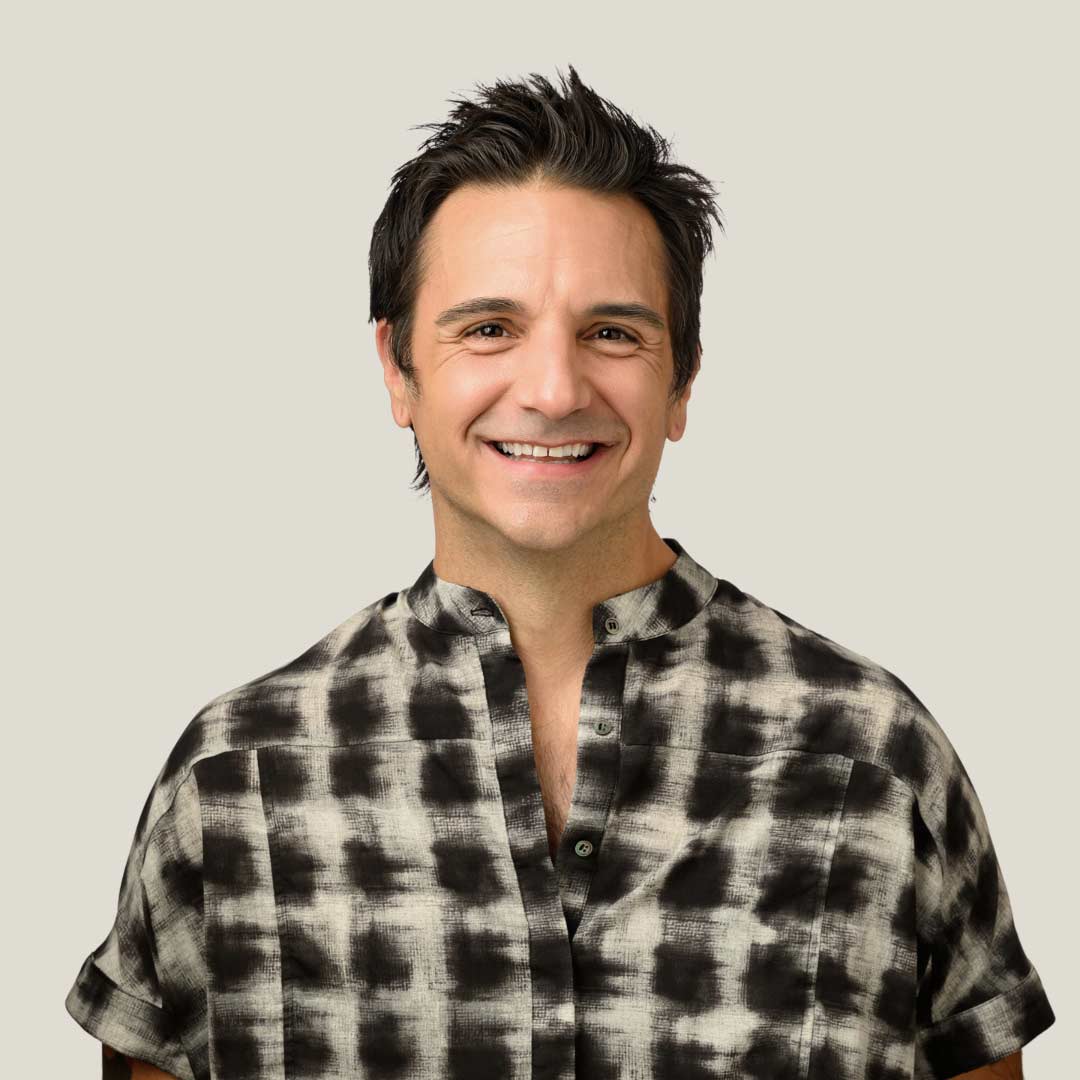
Sam Trewick (they/them) — LynLake Centers for Wellbeing
Sam Trewick has been with LynLake Centers for Wellbeing for a year and a half. They are a psychotherapist who also works with clients using psychedelics as part of their therapeutic practice.
Trewick sees a caseload made up mostly of queer, BIPOC and other marginalized clients, and primarily works with people with complex trauma.
“Complex trauma, to me, is a collection of things that have happened, such as abuse or neglect, throughout childhood,” they say. “Because of lack of acceptance and bullying, most queer folks have some degree of complex trauma, so that’s why I specialize in that area.”
They describe queer-affirming therapy as “Connection, community and the assumption that something is wrong with society, not with the individual. Our task is helping people cope with the limitations and shortcomings of society that tend to manifest as anxiety, depression and what people call mood disorders. I view those as appropriate responses to a hostile environment.”
“We have to assume the world is pretty hard for you, acknowledge that it’s not your fault, and then do what we can to help you survive and eventually thrive,” Trewick continues. “It’s a lot of working through trauma and helping people understand their bodies and emotions better. Most queer folks who have been bullied or traumatized separate from their bodies and emotions. We’re trying to bring everything back into a whole and help them learn enough about themselves, especially their strengths and values, to actually thrive.”
“Trauma creates injuries, but it almost always creates opportunities and what I call trauma superpowers. If something terrible happened to you, something that should never have happened and it resulted in cultivating something really special inside you, that’s worth seeing,” Trewick concludes. “A lot of my work is helping people move through the past pain to find what makes them unique.”
The overwhelming sense of separateness, loneliness and burden is common among queer people, according to Trewick.
“Right now, there’s such a sense of threat and this narrative that something is wrong with queer people and their struggles are their fault,” they say. “It’s important for us to combat that. Even if we can only do it at an individual level by helping people reframe what’s happening to them, my hope is that it reverberates at a societal level.”
Trewick knew that this work was their path the moment they entered graduate school. The program focused heavily on multiculturalism and the experiences of queer and BIPOC communities.
“From day one, we were steeped in that,” Trewick says. “My first class was this sweeping multicultural class where we learned the history, how things got this way and the skills to work with it.”
Their decision to work with psychedelics is tied to queer history.
“There’s so much medicine our community has used to feel better, form community and create healthy subcultures around healing from societal trauma,” Trewick says. “Focusing on psychedelics is a pillar of my work with queer folks. I grew up in the ’90s, and back then, the club and rave scene was where you found community. For me, it’s an opportunity to utilize the healing those medicines can provide and to reclaim them intentionally.”
“My process [with therapy] is that I don’t accept any clients I haven’t met with first. We meet for 20 to 30 minutes, and we don’t decide that day if we will work together,” Trewick says.
Trewick asks their clients to reflect on what was talked about, how their body feels, how they feel emotionally, what thoughts they are having, and let that tell them if they feel safe.
“Ask yourself, ‘Is this someone I can open up to?’ If the answer is yes, that’s a green light,” Trewick says.
Most people with complex trauma struggle to identify what safety even feels like.
“We spend a lot of time talking about what safety can feel like and fleeting moments when they might have experienced it. That way, they can know in our sessions when safety is present,” Trewick says. “It’s my job to keep checking in. If I ask a question, you don’t have to answer it if it doesn’t feel safe. Part of my job is helping you learn what safety feels like.”
Trewick encourages people not to be intimidated by the idea of finding help.
“A lot of people get stuck seeking therapy because they think they don’t have options or think it’s an arduous task,” Trewick says. “I’d say it’s a lot easier than you think. It’s important to find a provider with whom you can feel some sense of safety.”



5200 Willson Road, Suite 316 • Edina, MN 55424
©2026 Lavender Media, Inc.
PICKUP AT ONE OF OUR DISTRIBUTION SITES IS LIMITED TO ONE COPY PER PERSON