


Ranking the 5 Best Snow Removal Methods From Best to Worst
While Minnesota winters are stunning, they’re also a significant logistical challenge for many homeowners. The beautiful blanket turns into a heavy barrier between you and the rest of the world. Your driveway is gone, the sidewalks have vanished and your car may be buried in white.
Snow removal is one of the season’s least glamorous but most necessary chores. Here are several ways to do it, ranked from best to worst, to help you build the best snow plan for your home.
1. Installing a Heated Driveway System
A heated driveway system uses a network of electric coils or heated fluid tubes embedded in the pavement. It’s usually automated by temperature and moisture sensors, making it the “set it and forget it” gold standard.
This system eliminates all manual labor and the need to schedule services, as snow melts on contact. It keeps black ice from forming, making surfaces consistently safe for walking and driving. It also protects the pavement from corrosive salt and plow damage while increasing your property value.
However, a heated driveway system is the most expensive snow-removal option, as it requires major construction. Setting it up requires a complete excavation and driveway re-paving. It also significantly increases utility bills during the winter.
2. Hiring a Professional Snow Removal Service
Another convenient method is to contract a company to clear your property for the season under a per-push or seasonal arrangement. You pay only when the crew performs the service in the former, while you’re charged a flat fee for the entire winter for the latter — regardless of snowfall.
Having experts on the job offers peace of mind. They use commercial-grade plows and blowers that are more effective than residential equipment. Many companies also pre-treat driveways and walkways with salt and other solutions to lower the melting point of water and keep ice from forming.
The downside is that professional snow removal can be a high seasonal cost. You also can’t control the exact time they arrive, which can be a problem if you need your property cleared immediately. Scams and property damage are risks, but you can avoid them by hiring a reputable, insured company.
3. Using a Personal Snowplow
This is a step up from a snow blower for serious residential snow removal. It involves attaching a plow blade to a personal truck or ATV. Using a personal snowplow is one of the fastest ways to move large amounts of snow on a big property. It’s also effective for the deep, heavy and wet snow common in Minnesota winters.
On the other hand, it requires a high initial investment, as it needs both a suitable vehicle and a plow attachment. You’ll also need ample space to store the large plow blade in the off-season. If you’re an inexperienced operator, you may run the risk of damaging lawns, landscaping and even the pavement itself.
4. Using a Gas or Electric Snow Blower
Snow blowers are an excellent DIY tool for the average Minnesota homeowner. Single-stage blowers collect and blow snow a short distance using one auger. Meanwhile, double-stage blowers have an auger for snow collection and a separate blower that moves snow further away.
Compared to shoveling, using a snow blower drastically reduces the physical strain and time it takes to clear high-traffic areas. It’s ideal for a typical suburban two-car driveway and sidewalks.
To keep the snow blower in great condition, you must regularly change its oil or charge it, depending on the model. You also need to be extra careful when using it. More than 4,700 injuries involving snow blowers were treated in the ER in 2022, and 36% of them involved finger, hand and wrist wounds.
5. Shoveling Snow by Hand
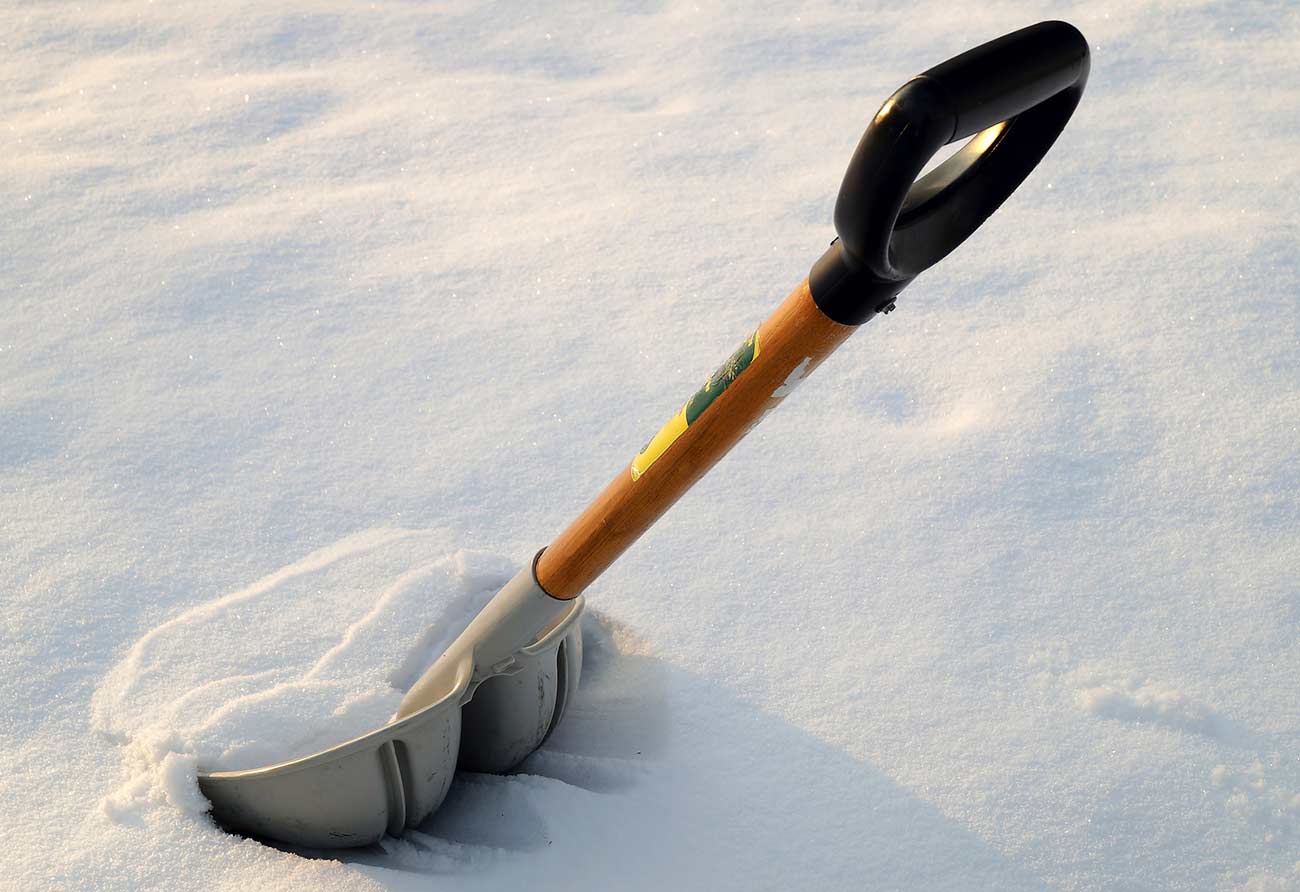
The most straightforward approach is shoveling. It’s the most affordable option, as it’s a one-time purchase that doesn’t require costly maintenance. You can use a shovel to clear areas where equipment can’t go, like stairs, decks and tight pathways.
The primary drawback is the intense physical strain involved. If you’re relatively inactive or over 40, you need to be careful, especially if you have health conditions that strenuous activities can affect. Shoveling can raise heart rates over 85% of the maximal rate, which is common during intense aerobic exercise and similar activities. Additionally, it can take hours to clear your property after a heavy snowfall.
Frequently Asked Questions
Here are the answers to common questions about managing snow buildup in Minnesota.
Q: How Do You Choose the Right Snow Removal Method for Your Home?
A: Consider these factors to determine the best snow plan for your home:
- Evaluate your driveway: The best method may depend on whether it’s sloped, paved or has gravel ground cover.
- Assess your health: Determine whether you’re physically fit enough for manual labor, and whether you have conditions, such as a bad back or heart issues, that could make strenuous work unsafe.
- Consider your budget: Decide on how much you want to invest in snow removal, and then determine whether you’d rather get equipment to do the job yourself or hire a professional service.
Q: What Is the Best Time to Remove Snow?
A: It’s best to clear snow early and often. Removing light snow is far easier than cleaning a deeper snowfall buildup. Tackle the wet, heavy snow that falls when temperatures are near freezing immediately before it refreezes into solid ice.
Q: How Should You Handle Deep Snow Drifts?
A: If you’re using a shovel, avoid lifting from the bottom. Instead, use the shovel to shave off the top layers of the drift, then work your way down. You can tackle the deep piles of snow in sections if you’re using a snow blower. Instead of forcing the machine through the whole drift, make multiple passes to manage the high volume. Aim the chute away from the wind to prevent blowback.
Q: Can You Use Deicers and Traction Aids for Snow Removal?
A: These are excellent supplementary methods for ice management. Deicers, like rock salt and calcium chloride, melt ice. They’re effective for breaking the bond between ice and pavement after clearing. A light application after shoveling can also prevent meltwater from turning into a sheet of ice overnight. Meanwhile, traction aids, such as sand or cat litter, make it safer to walk and drive by providing extra grip.
Be mindful when using these methods. Traditional rock salt is corrosive to concrete and harmful to the environment. Look for de-icers that are certified by the Safer Choice program to ensure they’re safer for people and the planet.
Creating a Custom Winter Snow Plan
Assess your home and develop a hybrid approach that’ll efficiently clear snow from your property. For example, you might use a snow blower for the main driveway, a shovel for the porch and steps and a deicer as the final safety measure. Create a snow removal plan before a storm hits, so you’ll have the right tools and strategy ready to go.






5200 Willson Road, Suite 316 • Edina, MN 55424
©2026 Lavender Media, Inc.
PICKUP AT ONE OF OUR DISTRIBUTION SITES IS LIMITED TO ONE COPY PER PERSON