



Queer, Disability-Friendly Witchcraft in the Twin Cities? It’s Easier Than You Think!
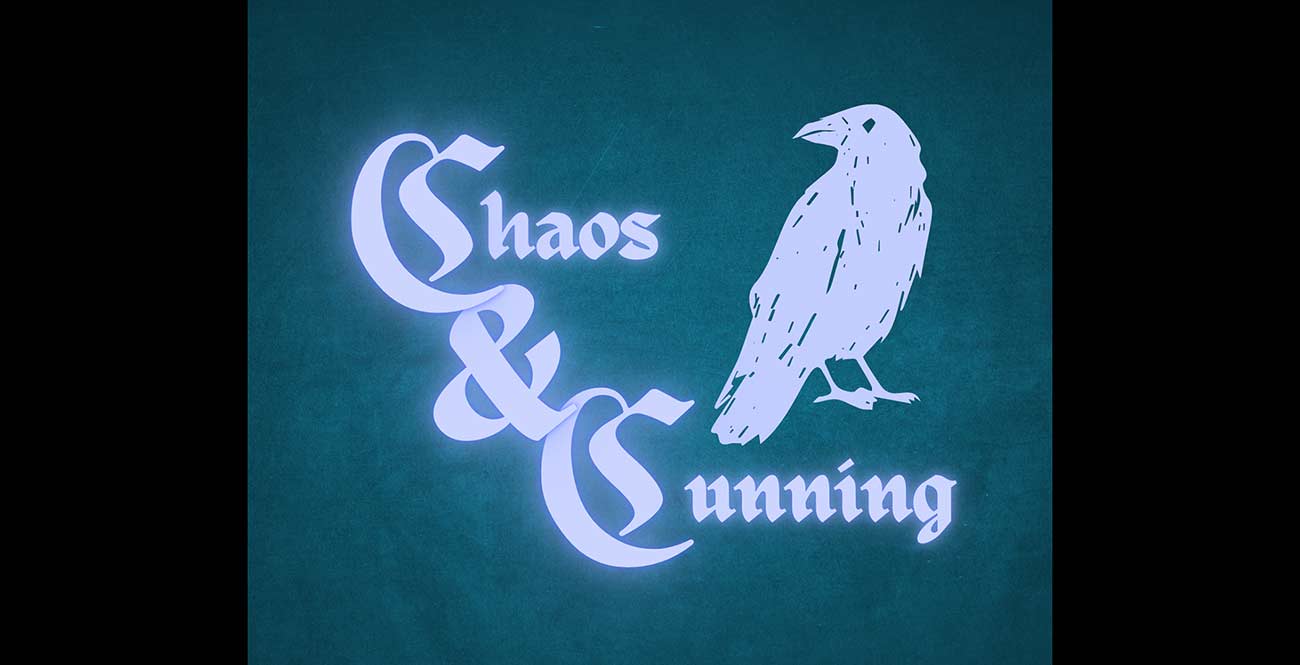
The hosts of the podcast “Chaos and Cunning” implement their magical practices into their everyday lives as queer people, and teach viewers how to do the same
Some may hear the word “witchcraft” and think of a complicated process with dozens of candles, shrines or potions. For Minnesotans Siri Vincent Plouff and Cassandra Snow, reality is far simpler.
Their podcast, “Chaos and Cunning,” is an exploration of how witchcraft can be practiced without the gatekeeping often associated with many magical practices. Created in December 2025, the podcast’s name refers to chaos magic and cunning work as two fundamental parts of their specific approaches, although they each have their own specialties. Through the episodes of the podcast, listeners get a taste of the diversity of magical approaches that exist in the world, from spirit contact to tarot readings to green magic.
“It very quickly became about how to teach people about witchcraft when everyone is already so busy,” Snow says. Many other starter guides to witchcraft, they say, expect beginner witches to spend several hours conducting a complex ritual, which is far from practical for the average person, who often has to work a day job as well.
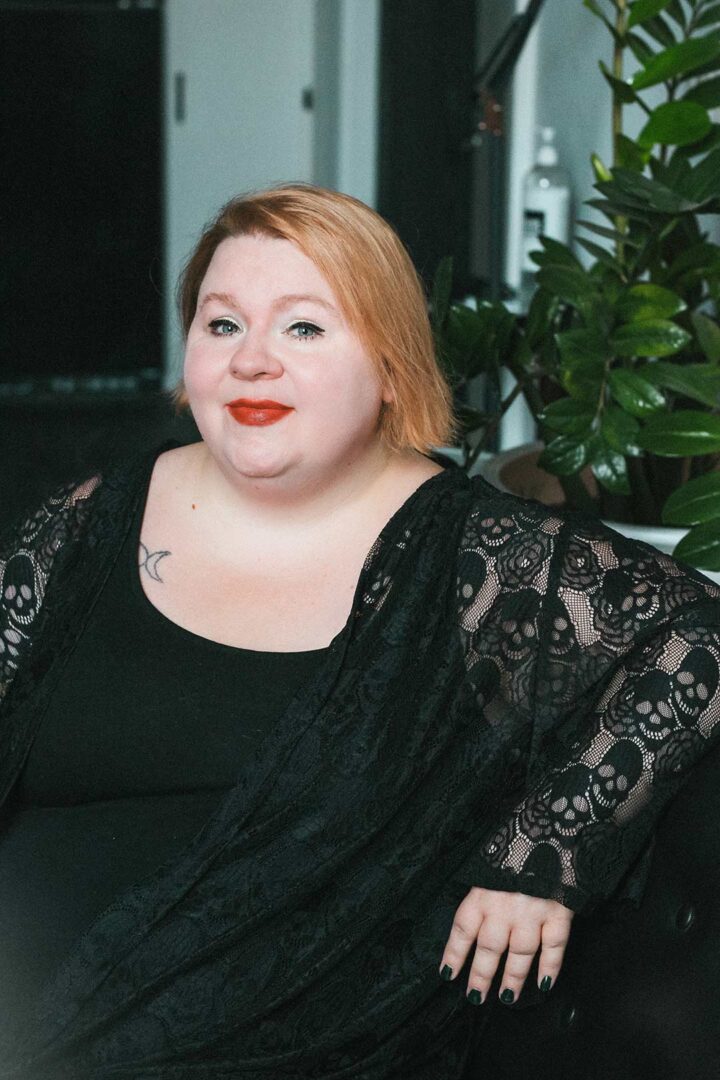
Though their stories were different, both witches grew up as outsiders in their communities. For Snow, they struggled to connect to their family’s beliefs as evangelical Christians. Being both queer and disabled, much of their early life was defined by a lot of hardship and disconnect. College was their first major opportunity to interact with people with beliefs different from those of the people they grew up with. In 2019, they wrote a book, “Queering the Tarot,” which discusses the intersection between queerness and tarot and explores non-white, non-heterosexual interpretations of the traditional tarot practices.
Unlike Snow, Plouff was not raised evangelical, but still felt a disconnect with Christianity when their family went to church, which pushed them towards seeking other spiritual practices. They were trained by what they referred to as a “cunningperson,” someone who practices witchcraft on behalf of others for payment. They have continued this work themself, as well as teaching others.
Early on in their process, Plouff believed they had to follow very specific rituals in order to practice witchcraft correctly, including a full Wiccan circle under the full moon and a complex tarot spread known as a Celtic Cross. However, they say, thanks to talking to others on social media and reading through blogs, they realized that their rituals could be adapted to their own personal needs in their daily life. As someone dealing with developing fibromyalgia, this revelation was a major catalyst in improving their practice.
The two met in 2015 while working for the same online blog, “The Little Red Tarot.” Snow reached out to Plouff after reading their column called “The Heathen’s Journey,” which would be turned into a podcast in its own right, and invited them to get lunch. Though it would take them some time to begin doing spellcraft together, the two clicked as friends almost instantly.
For both Plouff and Snow, sharing their experiences via their podcast allowed them to pass on the knowledge they’ve gained over the years to others. Through their Patreon and Discord, many of their listeners say that they discovered parts of witchcraft that they didn’t know were possible.
“I watched the first episode, and realized chaos magic was way more up my alley than I thought,” one listener wrote on their Patreon.
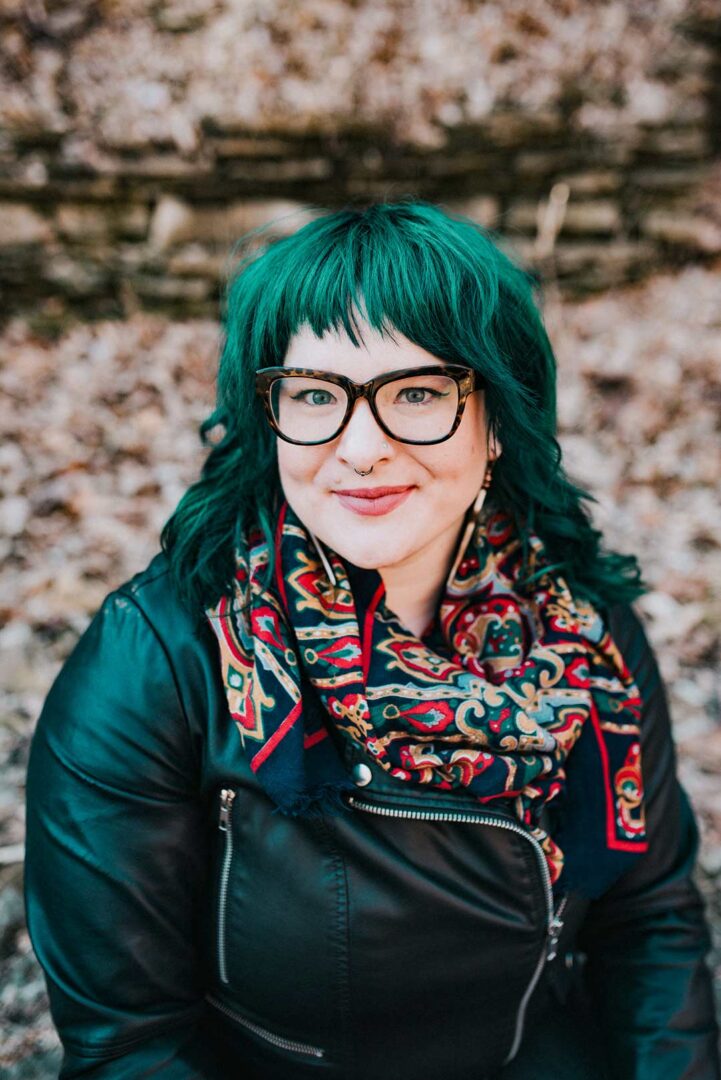
For both witches, being queer has played a strong role in their spellcraft and how they have navigated the magic community.
“Who we are is woven into everything that we do,” Snow says.
The intersection of their identities, as well as their experiences being “othered,” are stories that many of their listeners might relate to. Witches, queer people and people with disabilities have had a long history of persecution in patriarchal Western society. Many victims of witch accusations during the 17th century were queer or had disabilities. Though the hosts of “Chaos and Cunning” were fortunate enough to have people in their lives who accepted them, feelings of “otherness” toward all three groups persist to this day.
Spellcraft itself is not without its own hurdles to overcome as well, as some spells have their roots in very conservative ideologies. Snow and Plouff say that they both struggled to find resources for prayers and spells that were not misogynistic or heteronormative in nature. Other rituals, for instance, are heavily whitewashed or appropriated from nonwhite cultures without properly explaining or citing them. For new witches, according to Plouff, one of the most important things a person can do is to ensure that the resources one uses are vetted and that one has a clear understanding of which cultures their practices originate from.
The final episode of the first season of “Chaos and Cunning” airs at the end of May. All of the episodes are available to listen to on Spotify, Apple Podcasts and more.




5200 Willson Road, Suite 316 • Edina, MN 55424
©2026 Lavender Media, Inc.
PICKUP AT ONE OF OUR DISTRIBUTION SITES IS LIMITED TO ONE COPY PER PERSON