



Lucky Lavender Farm Is Growing a Different Kind of Lavender
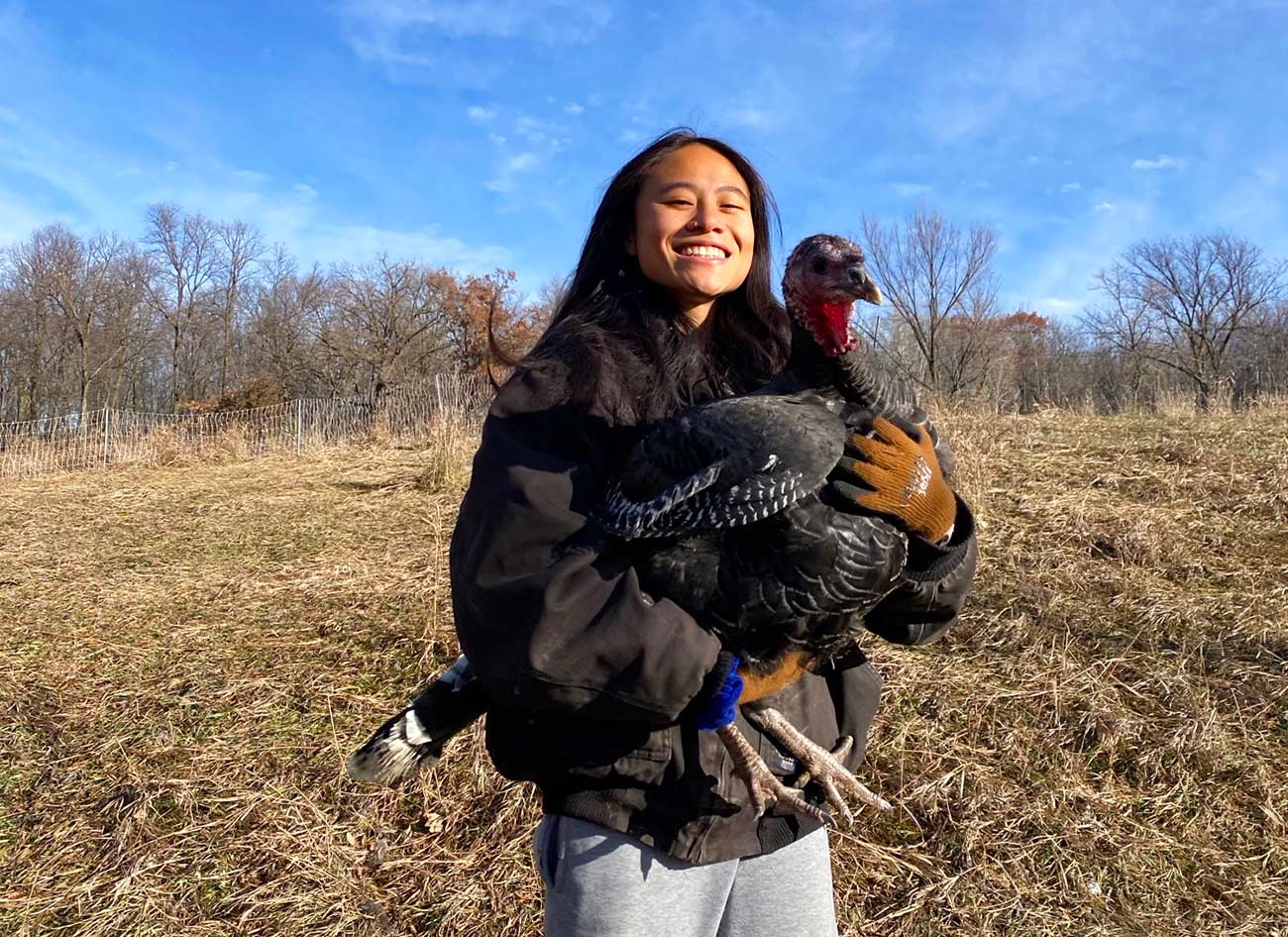
There is something deeply fulfilling about being intentionally fed. Not just physically, but emotionally, culturally and spiritually. It is a kind of satiety that doesn’t come from a grocery store aisle, but rather from memory, from ancestry, from someone saying, “I made this for you.”
At Lucky Lavender Farm, that kind of nourishment is the foundation. Tucked into the Cannon Valley in rural Faribault, Minn., the farm is not just a place where vegetables grow. It is a space where identities are held, cultures meet, and community is cultivated with care and intention. They don’t sell or harvest any lavender. But the name comes from a queer-coined term indicating the reclamation of self and presence in the world.
Owned and operated by Maren and Amanda Grunnet, Lucky Lavender Farm is rooted in more than land. It is rooted in relationship, in lived experience and in a shared vision of what it means to truly feed people.
Before there was a farm, there were conversations. Conversations about the kind of life they wanted to build, the love they wanted to give and the kind of world they hoped to create not just for themselves, but for others. One partner grew up in a rural environment, always knowing that land would be part of her future. The other, a self-identified urban soul raised within Vietnamese culture, did not initially view their experience as farming.
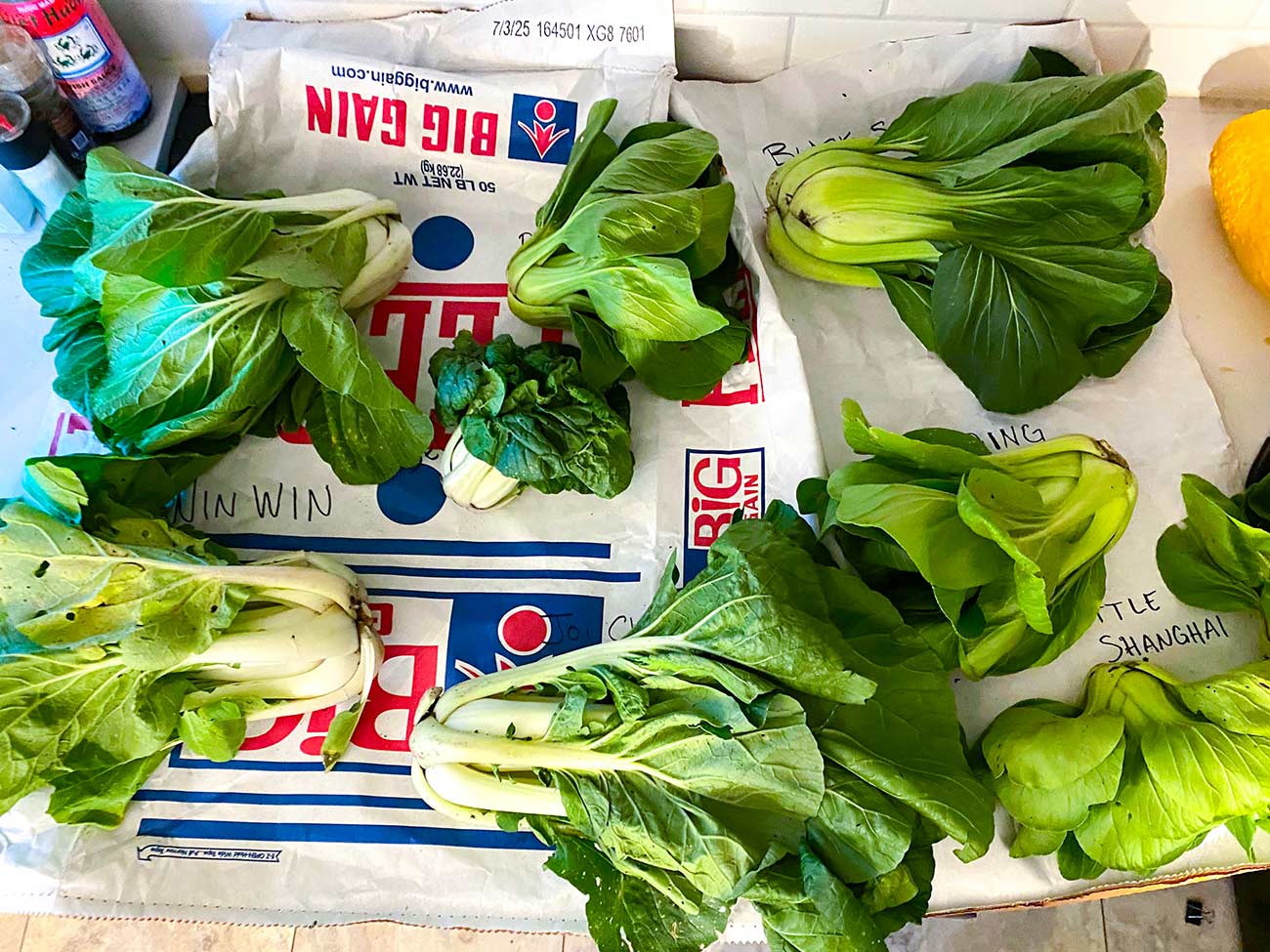
“I did not realize that what I was describing, growing food for family and community, was actually farming,” Amanda Grunnet shares. “I just knew I wanted to feed people the way my mom fed me.”
What began as two different upbringings slowly revealed itself to be one shared language rooted in care, nourishment and responsibility to something greater than themselves.
In a world where agriculture is often defined by large-scale commodity production, endless fields of corn and soybeans grown for export, feed or fuel, Lucky Lavender Farm offers something more: growing food for people. On cultivating crops that are culturally inclusive, nutritionally meaningful and emotionally grounding.
“The majority of agricultural land here is dedicated to crops and global expansion, which is beautiful and necessary,” Maren Grunnet says. “We just think of ourselves as locally serving, community-oriented. We wanted to do something rooted in nourishment.”
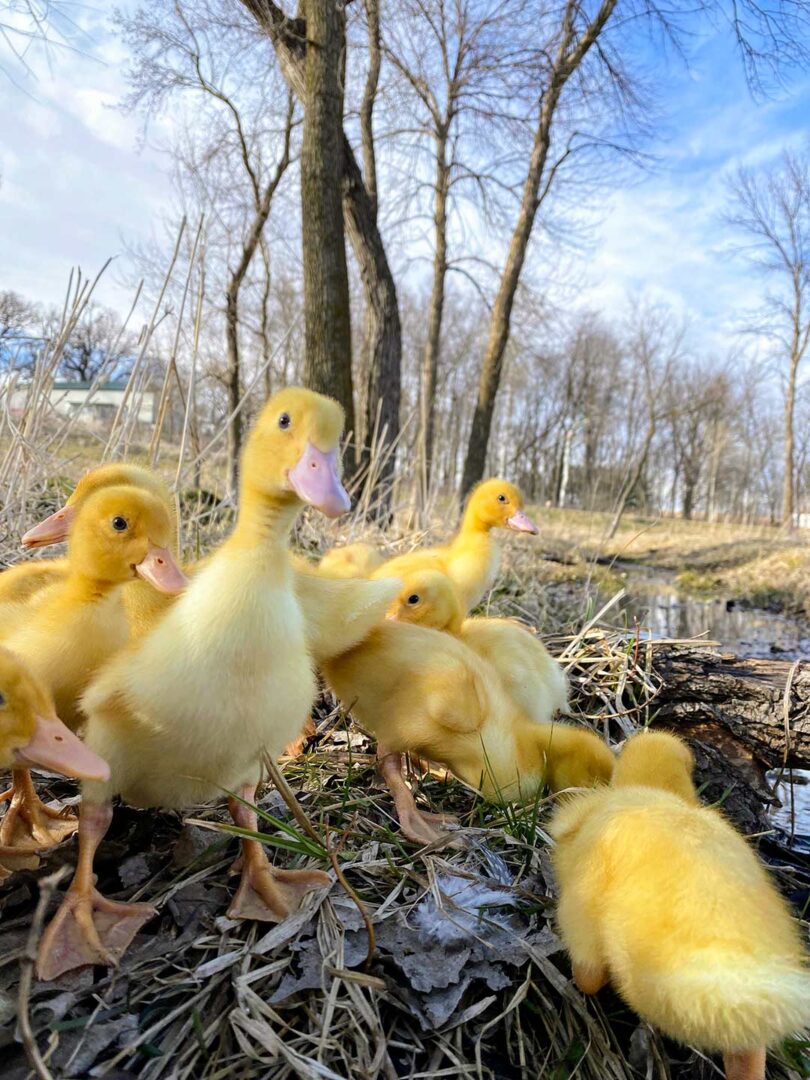
That intention shows up in every layer of the farm, from the Southeast Asian vegetables they are working to grow, to their emphasis on biodiversity, to the way they care for animals and the land. The farm is treated as a living system and intentional infrastructure.
What makes Lucky Lavender Farm especially powerful is not only what they grow, but who they create space for. For many queer and BIPOC individuals, rural environments can feel distant or even unsafe. This farm exists as a response to that reality. It is a place where people can arrive fully as themselves, breathe deeply and reconnect with the land without fear.
What started as a personal desire to feed friends and build community has grown into something much larger. Through Lucky Lavender Farm’s CSA program, visitors can subscribe to the farm and even volunteer their time, receiving not only food but a deeper connection to the process. It is an invitation to participate and contribute.
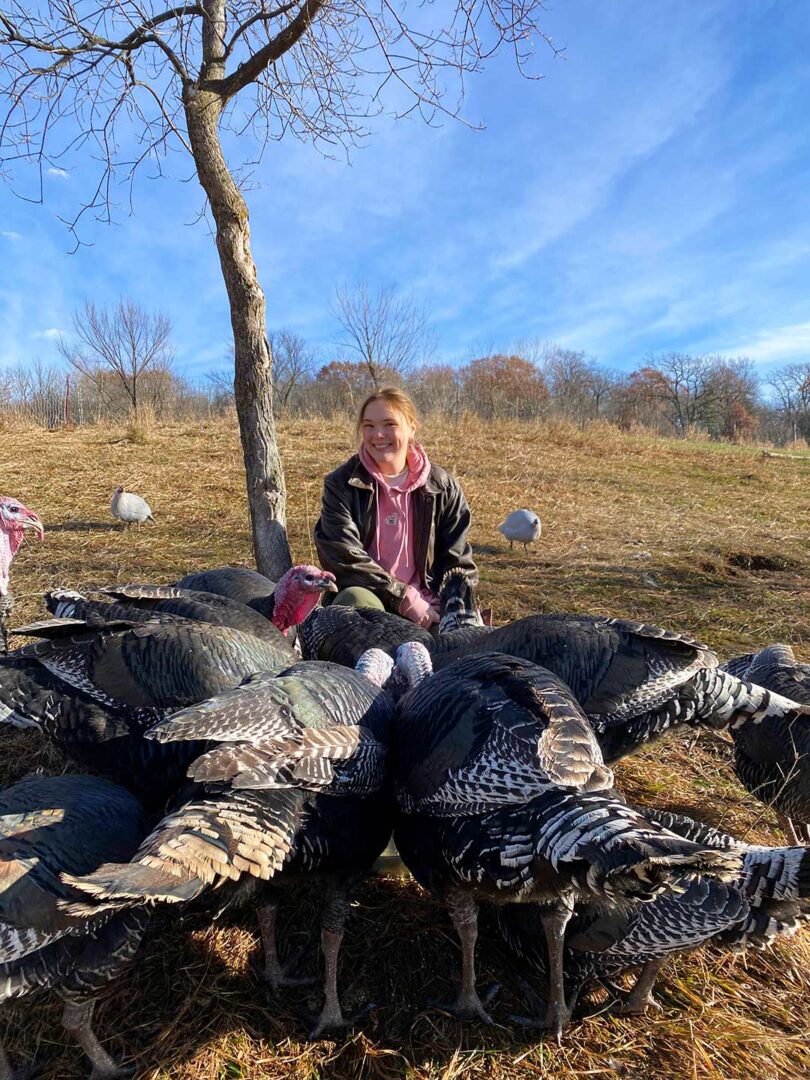
The vision continues to expand. There are plans for seasonal gatherings that bring people onto the land in new ways, from pumpkin patches to collaborative events with neighboring farmers and local makers. The goal is to create experiences that reconnect people with each other and the environment.
In a time where everything feels distant and disconnected, this kind of closeness feels both radical and necessary.
The faith in fellowship shapes their commitment to growing Southeast Asian crops in a climate that does not naturally support them. Through research and long-term plans for greenhouse space, Maren and Amanda are working to make culturally significant foods more accessible across Minnesota. For many people, especially those who have had to leave their home cultures, access to familiar food isn’t always a luxury. It is a form of care.
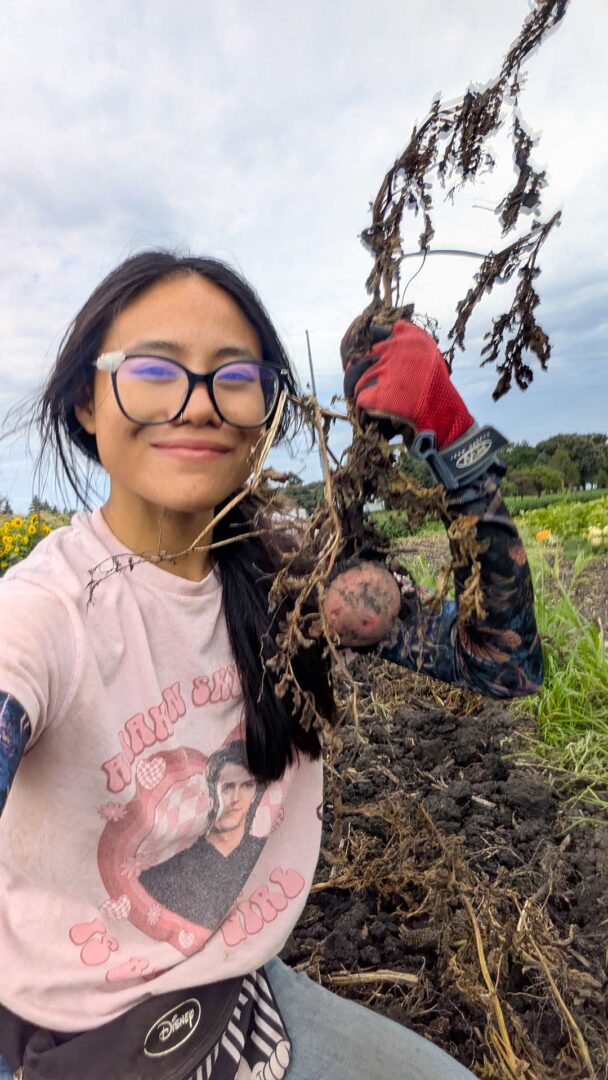
Looking ahead, the vision continues to grow. There is interest in collaborating with other queer farmers across the region, creating shared experiences that allow people to move between farms and witness the diversity of this field.
Lucky Lavender Farm is a reminder that farming does not have to follow one narrative. It can be intimate. It can be cultural. It can be queer. It can be rooted in love.
And sometimes, it begins with something as simple and as powerful as wanting to feed the people around you. That very much could be accompanied by lavender tea.
To learn more about Lucky Lavender Farm, visit its website, luckylavenderfarm.com



5200 Willson Road, Suite 316 • Edina, MN 55424
©2026 Lavender Media, Inc.
PICKUP AT ONE OF OUR DISTRIBUTION SITES IS LIMITED TO ONE COPY PER PERSON