



Liten Bekk Farm Blends Sustainability, Community and New Beginnings in Rural Minnesota
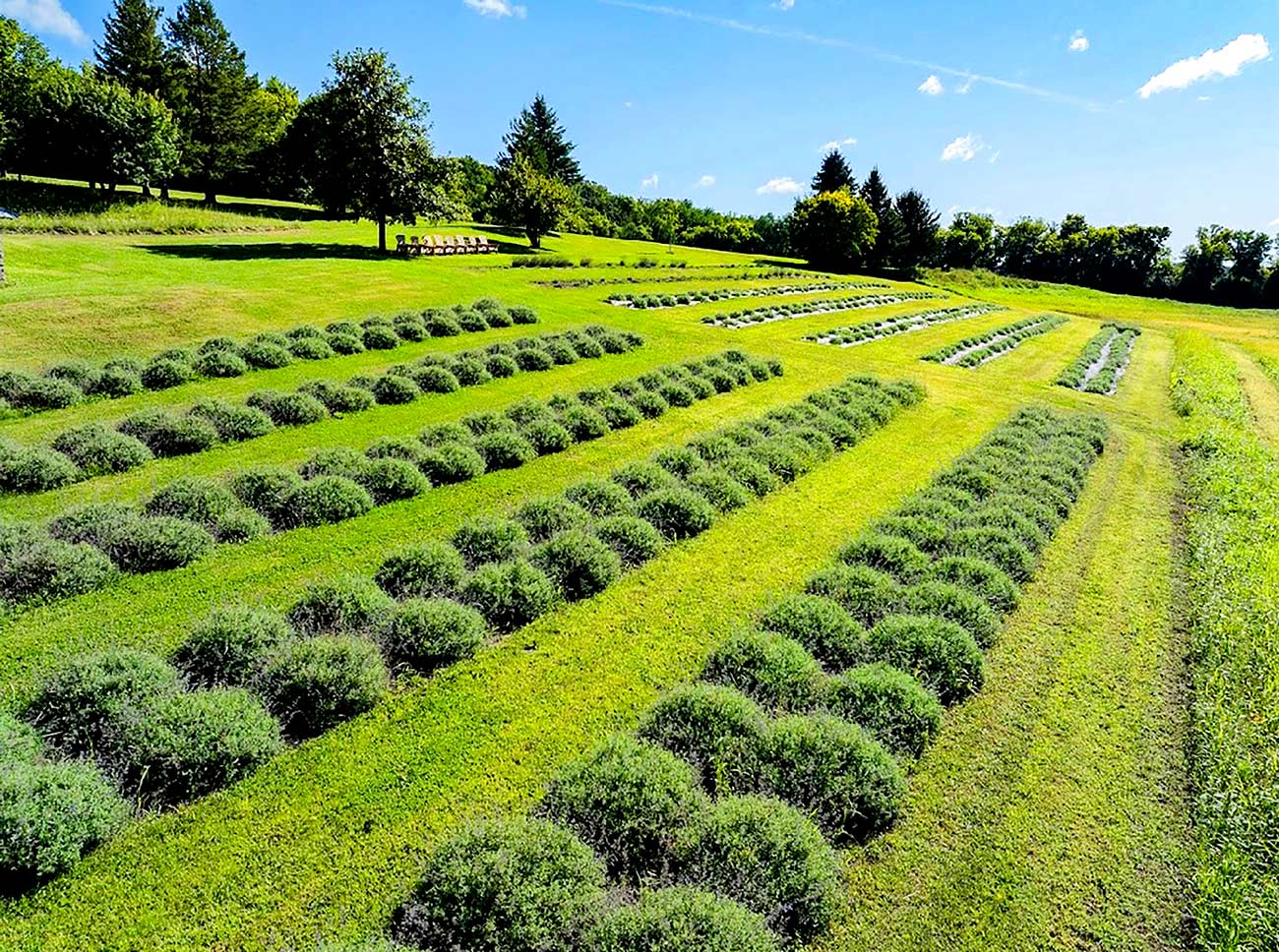
Rows of lavender stretch across the landscape at Liten Bekk Farm, where a once-overgrown property is being transformed into a hub for sustainable agriculture and community connection.
What began as a shared vision among three partners has quickly evolved into a multifaceted operation rooted in restoration, food production and giving back to the surrounding community.
The name “Liten Bekk,” derived from Norwegian, reflects both the land’s history and its natural features. The phrase translates to “small stream,” a nod to the property’s landscape and the heritage of early settlers in the region.
The farm was purchased on April 15, 2024, by Tyler Jennings, Ron Wold and Jeff Canham, marking the start of a new chapter for the 87-acre property. Since then, the team has focused on building a farm that not only produces food but also gives back to the land and surrounding communities.
“We planted lavender, and we have a big garden that we do for donations for regional food shelves,” Canham says. “We also produce honey and mushrooms, and we’re expanding into Minnesota native plants this year.”
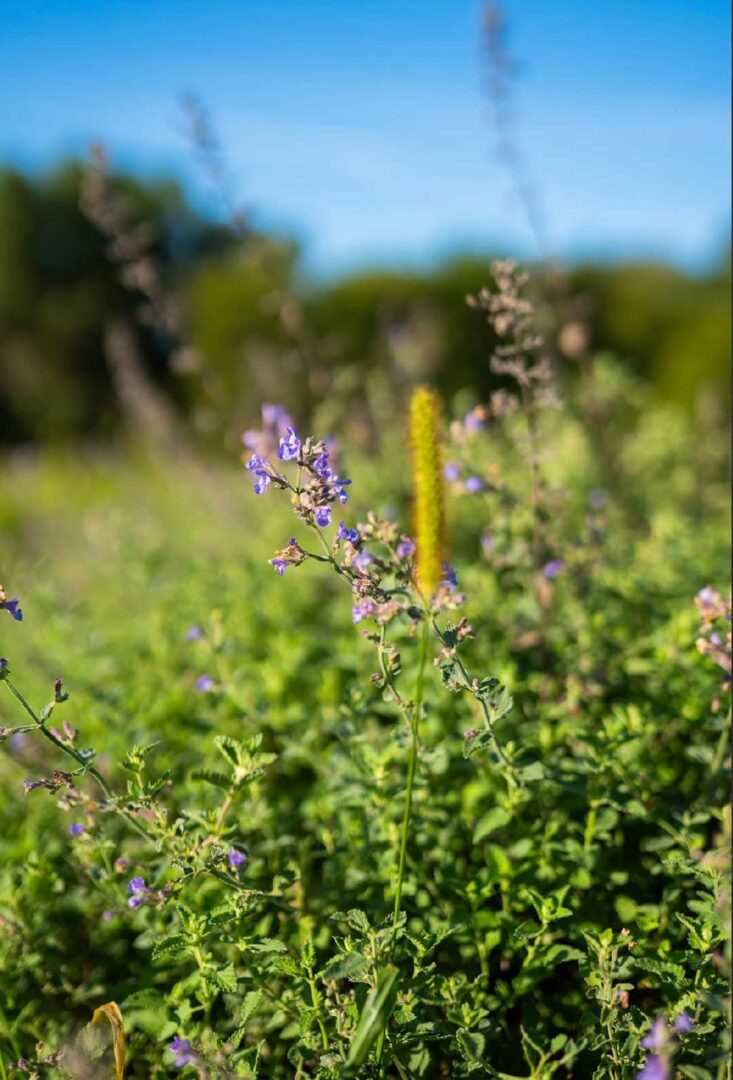
Head Gardener and Landscape Design Lead Louis Pretorius, who is originally from South Africa, brings a background in farming, landscaping and interior design. His influence is visible across the property, particularly in the rows of lavender and catmint planted to create a distinct visual identity.
“Jeff had a vision for hosting future events on the farm, so we planted rows of lavender and catmint to create that purple-lined effect across the property,” Pretorius says.
Having grown up on a farm just an hour and a half from Liten Bekk, Managing Partner and Owner Tyler Jennings lives on-site full time and oversees every aspect of the operation, from designing and building out the farm to selling fresh mushrooms and planning its next steps.
Currently, Jennings shares the land and his life with his two-year-old son, Jace, and hopes to cultivate a legacy rooted in innovation, stewardship and community.
While the original concept included hosting events, the team shifted its focus toward agriculture, particularly mushroom production. After evaluating business needs and market demand, mushrooms emerged as a key opportunity.
The farm now supplies mushrooms to local country clubs, restaurants and hotels, with plans to expand into farmers’ markets this spring.
Sustainability is central to the farm’s mission. Pretorius said the team is actively restoring native fields with wildflowers and grasses while implementing environmentally conscious growing practices.
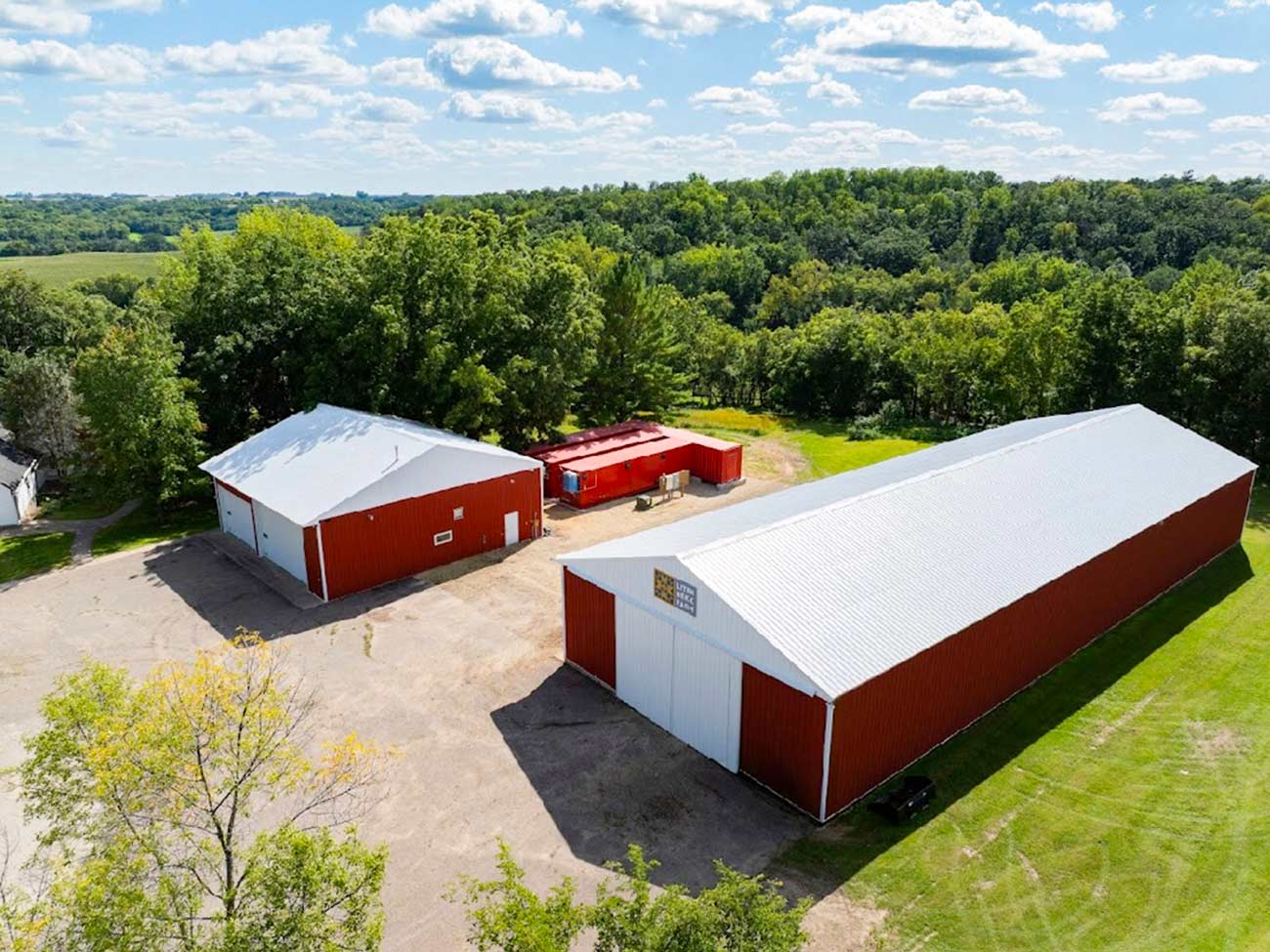
On the farm’s website, it describes container farming as “an innovative approach that allows for efficient and sustainable crop production.” By utilizing controlled environments, the farm is able to grow high-quality mushrooms and plants year-round, regardless of the weather.
The farm also incorporates composting practices by reusing mushroom substrate and organic waste to enrich the soil. Much of the land, previously overgrown, has been cleared to restore woodland areas and improve ecological health.
“We have a couple of native fields where we’re restoring wildflowers and native grasses, so we wanted to give back,” Pretorius says. “We added bees last year, and now we’ve grown to about 10 hives to produce more local honey.”
Beyond production, the farm emphasizes community involvement and philanthropy. Produce and unsold mushrooms are donated to local organizations, and the team partners with groups such as Bluebirds in Bloom, which repurposes flowers for individuals in memory care and nursing facilities.
The owners also hope to create a welcoming environment for visitors, with plans to host small gatherings and invite clients to experience the farm firsthand in the future.
“We really wanted to create an environment that is welcoming to everybody,” Canham says. “That’s why we have a philanthropic giveback with vegetables, and then we donate mushrooms, too, that don’t sell.”
Liten Bekk’s logo features a Swedish barn quilt symbolizing the rich cultural heritage of the farming community. The design dates back to Civil War times, representing resilience and unity among families. Despite their name, the squares on the quilting patterns are made out of wooden blocks rather than fabric material.
Located about 45 minutes south of the Twin Cities near Northfield, Liten Bekk Farm is still in its early stages, but its blend of agriculture, sustainability and community-driven values is already taking root.




5200 Willson Road, Suite 316 • Edina, MN 55424
©2026 Lavender Media, Inc.
PICKUP AT ONE OF OUR DISTRIBUTION SITES IS LIMITED TO ONE COPY PER PERSON