


Kids Just Want to be Kids: See How Camp Indigo is Re-defining Visibility
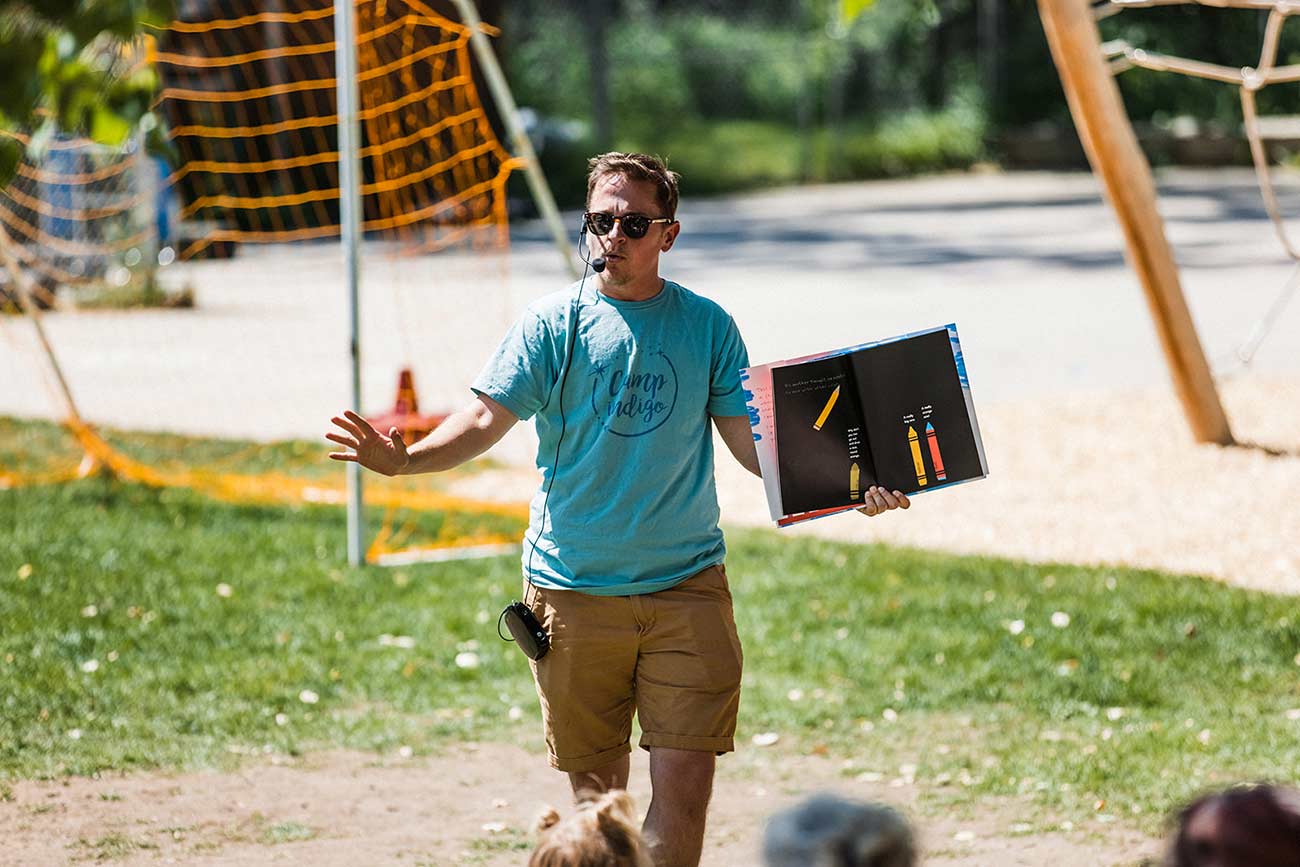
What would happen if there were no longer an urgency in asking people to explain themselves? No performance, no misplaced tolerance, just a wave of existence that transcends the need to feel seen by others.
That’s the feeling I kept coming back to after speaking with Andrew Kramer, executive director of Camp Indigo, a summer day camp designed for transgender and nonbinary youth across the country. What started as a small, almost casual idea in Oakland has grown into something bigger, now spanning multiple states and serving over a thousand campers each year. Despite that growth, its heartbeat hasn’t changed.
Visibility, as interpreted from Kramer and the Camp Indigo admin, is the natural flow of receiving people as they are, without judgment and without empty promises. Believe it or not, the best way to allow a kid or teen to be is to simply meet them where they are and let everything else fall into place.
The secret is play, and it sounds almost too simple, but it works. Connecting with our trans, queer and non-binary kiddos requires us, the older generation, to relax a bit and let go of the need to over-structure every moment.
If you’ve ever searched for “resources” for trans youth, you already know what comes up: therapy, support groups, crisis intervention. All necessary and valid, but also heavy. Kramer puts it plainly: when everything offered to a young person is framed as something they need to fix or process, what message are we really sending?
At Camp Indigo, the answer is different. It starts with creating a space where kids can meet each other, laugh, build friendships and leave with something as simple and foundational as one new connection, someone they genuinely like. That distinction matters because we’ve all been in those spaces before where shared identity becomes the reason people are expected to connect. Camp Indigo removes that pressure. When everyone in the room already understands something about your experience, you’re free to choose your people for all the other reasons. It could be humor, energy, interests or overall vibe that draws you together.
What struck me most is how intentional Camp Indigo’s environment is without feeling forced. There are no required sit-down conversations about gender identity and no structured moments where kids are asked to define themselves. Instead, as Kramer shares, “There are science experiments where things explode, improv games where nothing makes sense and everything somehow works, karaoke sessions that go on longer than expected, and competitions that are equal parts chaotic and unforgettable, usually ending in a lot of laughter.”
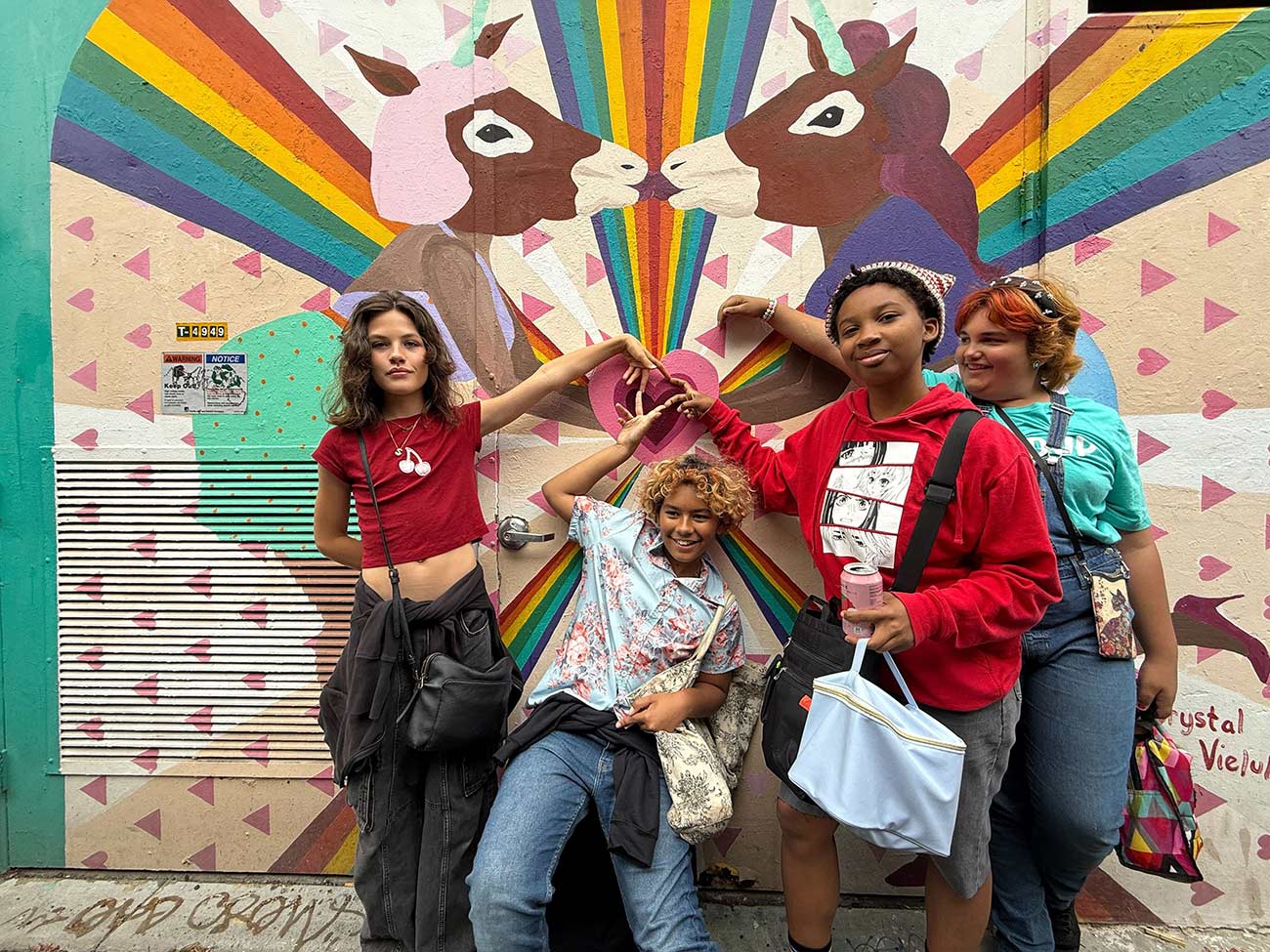
Underneath all of that, something deeper is happening. Kids are learning how to connect without fear and how to be seen without needing to explain themselves. They’re also learning that joy doesn’t have to come after struggle; it can exist right alongside it.
Early on, many campers identified in more binary ways. Now there is a wider spectrum of expression, which brings both more freedom and nuance. The camp has grown with that shift, not by trying to define it, but by holding space for it.
Visibility still plays a role, but not in a performative way. It shows up through lived experience. Staff members, many of whom were once campers themselves, reflect different versions of adulthood and different ways of being. For families, that kind of representation matters because it helps guide answers to questions that they may not always know how to ask out loud: “What does my child’s future look like?” Camp Indigo doesn’t offer one answer, but it shows that there are many possible paths forward.
What also made this feel real was Kramer’s refusal to position Camp Indigo as a solution to everything. As he puts it, “It’s a summer camp. That’s the lane. That’s the focus. There are other organizations doing important work year-round, and instead of competing, there’s collaboration, shared community and shared purpose.”
That mindset is rare, especially when resources feel limited, but it’s also what makes this work sustainable. Growth is happening, but it’s intentional, focused on preserving the culture that makes the space meaningful in the first place.
There’s also something important about the way Camp Indigo includes families. Parents and caregivers have their own sessions running alongside camp, not just to process, but to connect, laugh and figure things out together. Over time, those spaces have shifted as well, becoming less centered on fear and more rooted in community and shared understanding.
That ripple effect carries beyond the camp itself. When kids go home, they bring that experience with them. For a few days, they’ve been in a space where they are not the exception, not the only one, and not being constantly observed or explained. They’ve been able to move through the day like any other kid, playing games, making friends and coming home tired in the best way possible.
For many families, that’s the first time in a while they’ve seen their child like that: present, at ease and genuinely enjoying themselves. It’s a reminder that while safety, protection and resources are critical, there is also a need for something much more human. Kids need space to play and to experience life without everything being defined by fear.
That’s what Camp Indigo understands, and that’s what makes it different.
If you would like to learn more about this incredible work, you can visit Camp Indigo’s website, thecampindigo.org.





5200 Willson Road, Suite 316 • Edina, MN 55424
©2026 Lavender Media, Inc.
PICKUP AT ONE OF OUR DISTRIBUTION SITES IS LIMITED TO ONE COPY PER PERSON