


‘Jumpstart’ Your Vocal Transition Journey With Undead Voice
Most systems are not built with certain communities in mind, and trying to work within that system can be challenging and uncomfortable. Everyone deserves a space to safely be themselves and get the reaffirming care they need.
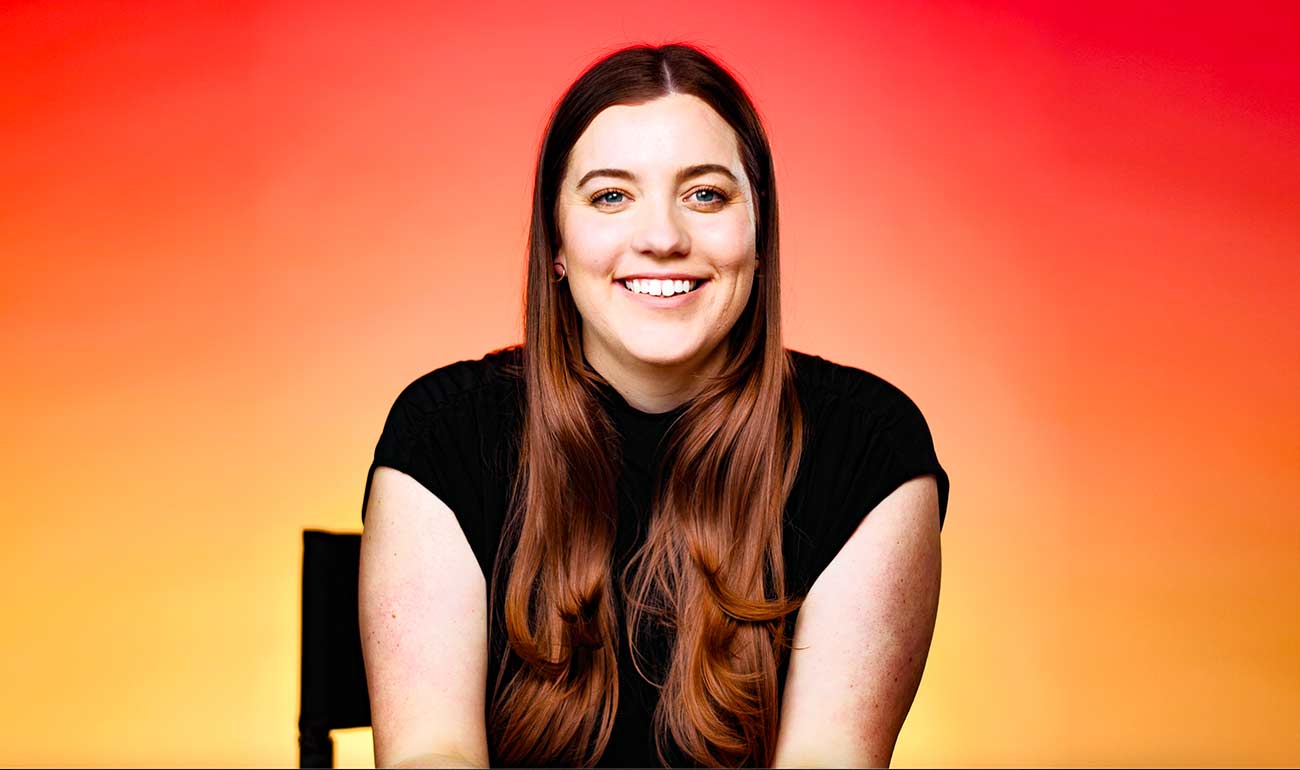
The moment when someone feels comfortable and confident in the sound of their voice is magical and provides a sense of ease to that person, says Undead Voice founder Nicole Gress.
“There is this pretty visceral moment that happens when somebody finally hears or discovers a sound that they love in their voice,” Gress says. “This awareness starts to land, like I can finally answer the phone without bracing, read to my kid without flinching at the sound of my voice, speak up in a meeting or order a coffee.”
Gress said they rarely saw these moments when working as a speech pathologist in hospital and private practice settings, which was very frustrating.
“Even while using all of the best practices … so many of our patients and the people I was working with were still struggling to actually reach the real life day-to-day goals that really matter when you’re communicating, because all of those methods that we are taught as speech pathologists weren’t actually built to shift the gender perception of a voice or how a voice is gendered,” Gress says.
When it comes to someone’s vocal transition journey, many programs can be costly and are built for those with a vocal disorder or injury, according to Gress. They worked as a speech-language pathologist for years before deciding to create a space specifically for trans and gender-diverse people.
They wanted to create something that not only gave people the tools but also a community, so they redesigned the whole system, creating Undead Voice six years ago. This online program is Gress’ curriculum, very different from traditional speech practices, curated specifically for those working to find their affirming voice.
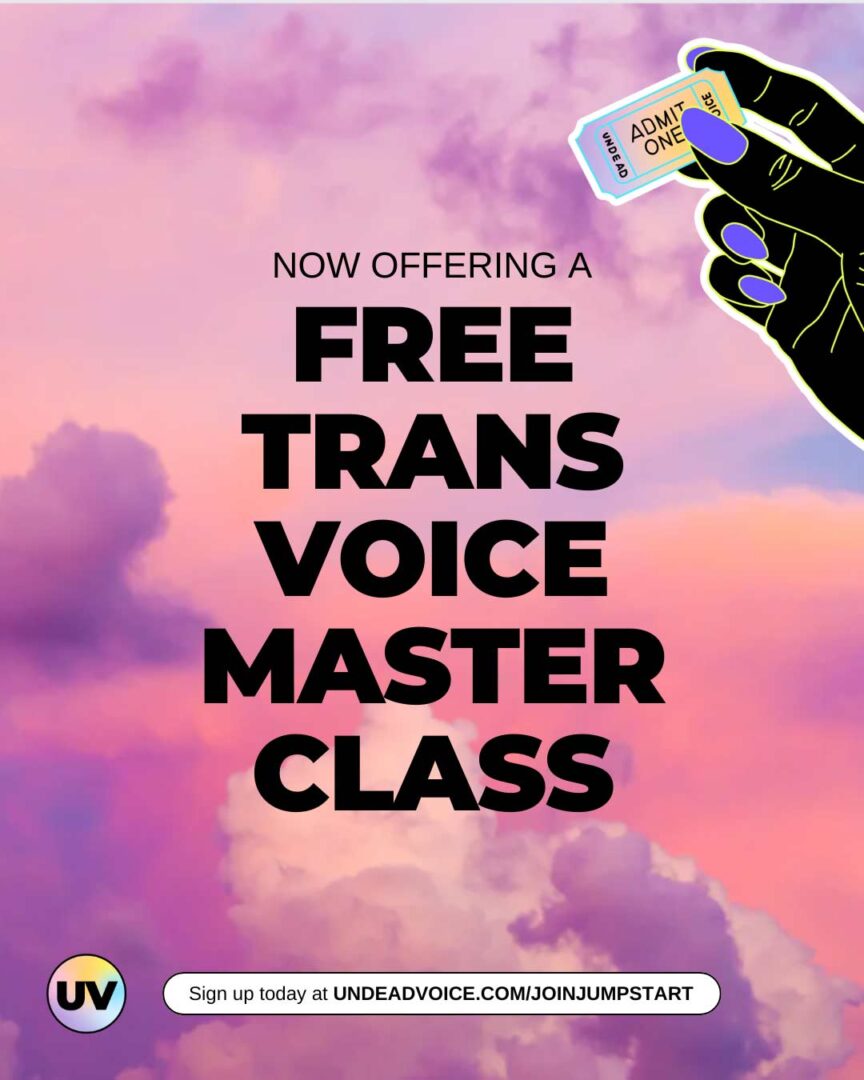
While Undead Voice has a full voice training program, which is a lifetime membership, Gress wanted to make these tools as accessible as possible, so she created the Jumpstart program. This free three-week program provides practical strategies to explore in a safe, supportive and community-centered space. The program consists of live masterclasses led by Gress on foundations, goal setting and the five pillars of voice, and ends with a Q&A and next steps session.
“We took the most impactful pieces from across the entire curriculum and created a three-week intro version for people of any age and gender identity,” she says. “There’s a place where you can get started … and end the program with a lot more hope, a feeling of ‘I know what to do now, I know what the road ahead could look like and I have some pathways to get there.’”
The nitty-gritty of the Jumpstart program takes you through the five pillars of methodology to teach you how to create a voice that you love, but it also provides you with access to expert vocal coaches, feedback and a community of others going through a similar journey.
“You get not just being told that things are possible, but shown that it’s possible, and support to actually be able to make actionable steps towards loving your voice and to do that surrounded by people where everybody is part of the community,” Gress says.
The programs also take into account how prevalent voice dysphoria is for people going on this journey and in the trans community. Throughout the program, they implement different support systems to help people reach their goals without dysphoria holding them back.
“The number one evidence-based, and what we have seen from lived experience, way to help people navigate dysphoria is by having community, as simple as it sounds,” Gress says. “But honestly, we all know the power of being around somebody who has the same lived experience and knowing that you’re not alone.”
The program also has everyday practice groups that people can hang out in and practice their voices together, as well as pairing people up with a buddy in a different stage of their vocal journey as they go through the program to maintain direct support. Members also have access to coaches every day to ask questions, share moments and maintain an open line of communication to receive the support they need.
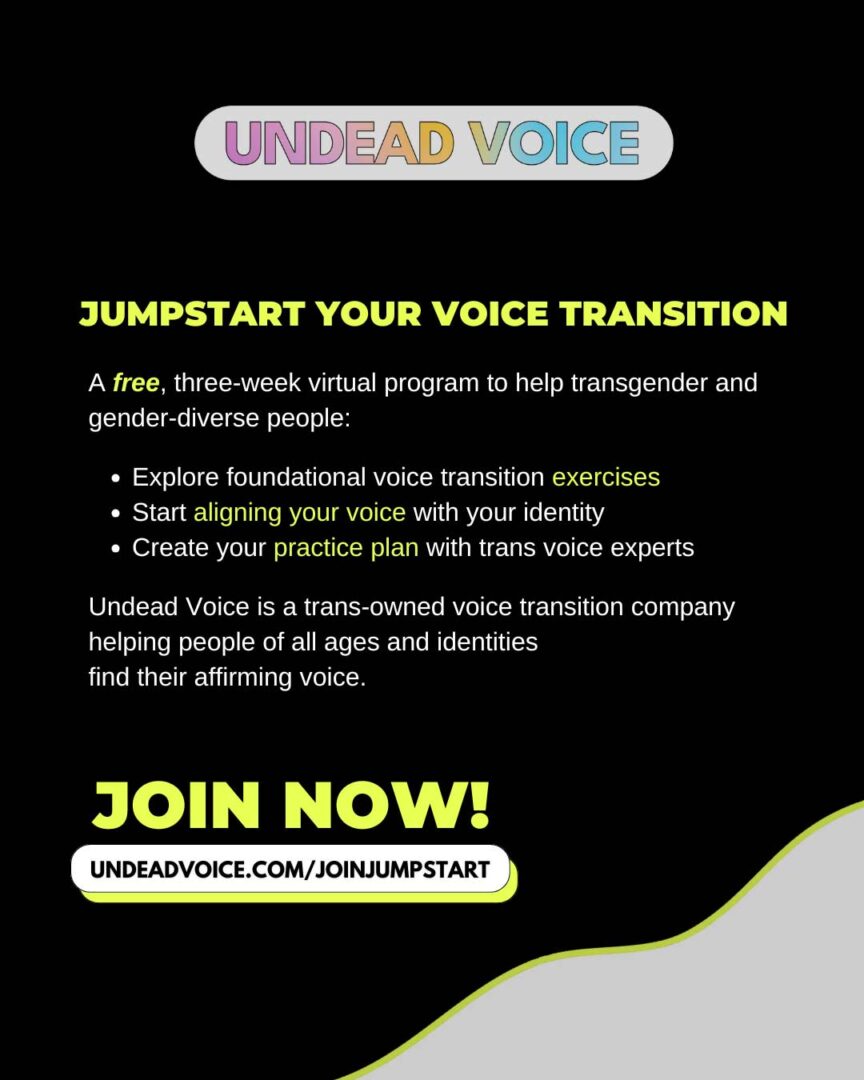
Jumpstart has cohorts running throughout the entire year, with the first starting January 19. You can also put your name on the waitlist, which guarantees you an entry into a cohort this year. They will also run youth-specific cohorts in a partnership with the GenderCool project.
Whether you’re just starting your vocal transition journey or looking for accessible tools and support to keep going, Jumpstart has a spot for you. Those who participate in the Jumpstart program will also receive a tuition credit, cutting the full Undead Voice lifetime membership tuition in half. Jumpstart is there whether you intend to continue with the full training program or not, and will provide you with the tools you need regardless.
Jumpstart also partners with organizations that work with or see the value in the LGBTQ+ community to connect more people with the program for free. Undead Voice runs the show and hopes to make this program accessible for everyone who needs it. Learn more at undeadvoice.com/partnership for more information on bringing the Jumpstart program to your community.
“Now more than ever it’s important that trans people have voices and that we feel comfortable using them for safety, self-expression or confidence,” Gress says. “There’s a lot of reasons why we’re already struggling to feel safe being heard; we don’t also need to struggle to feel safe in our own voice.”
Learn more about Undead Voice and the Jumpstart Program at undeadvoice.com/joinjumpstart.





5200 Willson Road, Suite 316 • Edina, MN 55424
©2026 Lavender Media, Inc.
PICKUP AT ONE OF OUR DISTRIBUTION SITES IS LIMITED TO ONE COPY PER PERSON