

How Wilderness Inquiry Helps Everyone Return to Nature
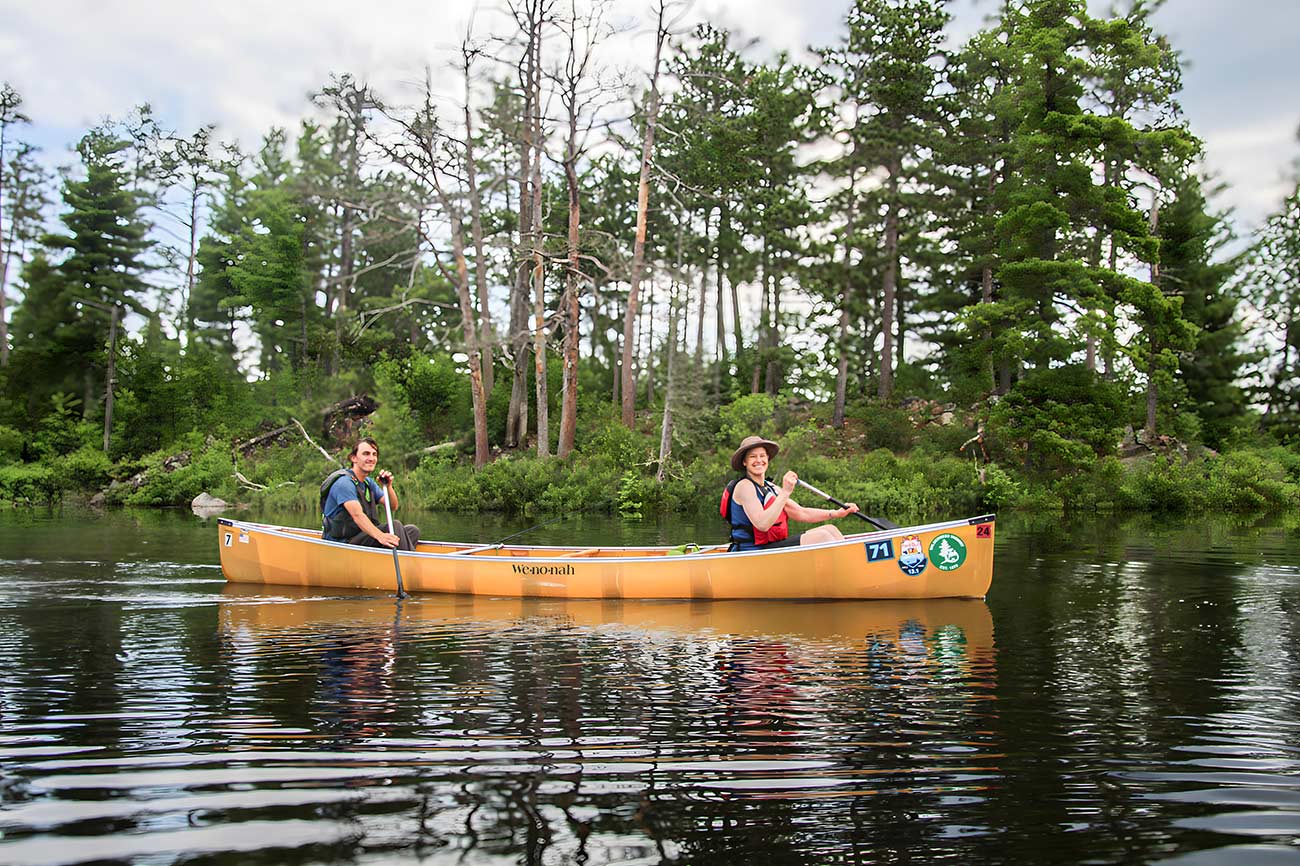
The nonprofit organization has spent half a century making sure everyone can get outdoors, regardless of ability, identity or circumstances
Anyone from Minnesota can attest to the unique outdoor experiences the state has to offer, not to mention our outdoorsy culture. Summer days are spent up north at the cabin, and the Northwoods blaze to life in oranges, reds and yellows every fall. Even the bitter cold of winter can’t deter us from lacing up our skates and heading out for some pond hockey.
But not everyone can own or rent a cabin, or can afford to take time off from work for an outdoor getaway. Folks who use wheelchairs may not have access to certain activities, transportation or assistance to get them outdoors. Some may not feel safe going out on their own, but don’t have people like them to go adventuring with.
That’s where Wilderness Inquiry comes in.
Since the 1970s, the nonprofit based in Bloomington, Minn., has been working to provide more equitable access for people facing barriers to getting outdoors, starting with people with disabilities and later expanding to include other groups. Their philosophy: “all people [can] enjoy and benefit from shared wilderness experiences,” per their website.
“There’s a long, long history of discrimination and intentional, forced exclusion from nature and natural spaces that goes far beyond just recreation,” says Cyri Tjaden, Wilderness Inquiry’s senior manager of extended and career pathways programs. “You think about how this country came to be and the forced removal of Indigenous people from their lands. I think that nature, getting to experience time in nature and all of its wonderful benefits, is an essential right.”
Wilderness Inquiry acts as a resource for individuals and groups with marginalized identities and experiences seeking outdoor adventures. They’ve facilitated simple trips to local parks and natural areas (“You can find nature in your backyard,” Tjaden says) as well as international expeditions to New Zealand and Tanzania.

For trips to the Boundary Waters, which are popular in the fall, Wilderness Inquiry provides free equipment and gear. They also provide financial assistance for trips whenever possible, and trips are always led by someone who shares the identity and/or experiences of a trip group.
According to the American Psychological Association, time spent in nature has a host of benefits, including improved attention and mood and lowered stress. The University of California-Davis attests to lowered heart disease risk and vitamin D exposure that boosts the immune system.
These benefits are particularly important to LGBTQ+ and BIPOC folks, and everyone facing systemic oppression. Experiencing and anticipating discrimination on top of concealing one’s identity for safety and tackling barriers to access are all sources of “minority stress.” Dr. Arlene Geronimus of the University of Michigan describes the resulting “weathering” effect as “the way that oppression and marginalization physiologically erodes your body systems, your organs, and eventually you.”
While time spent outdoors isn’t a panacea to systemic oppression, it can serve as an escape and a reminder of the magic and beauty of our planet. Wilderness Inquiry compounds this with the magic found in community.
“Shared community and shared identity can be really wonderful places for people to find safety,” Tjaden says.
Tjaden adds that these are common things people praise in their post-trip evaluations with Wilderness Inquiry.
“We often see a commentary on being in nature, stepping away from phones and screens, and seeing people they knew already or maybe just met accomplish really difficult challenges with positive attitudes, and digging deep into who they are,” she says.
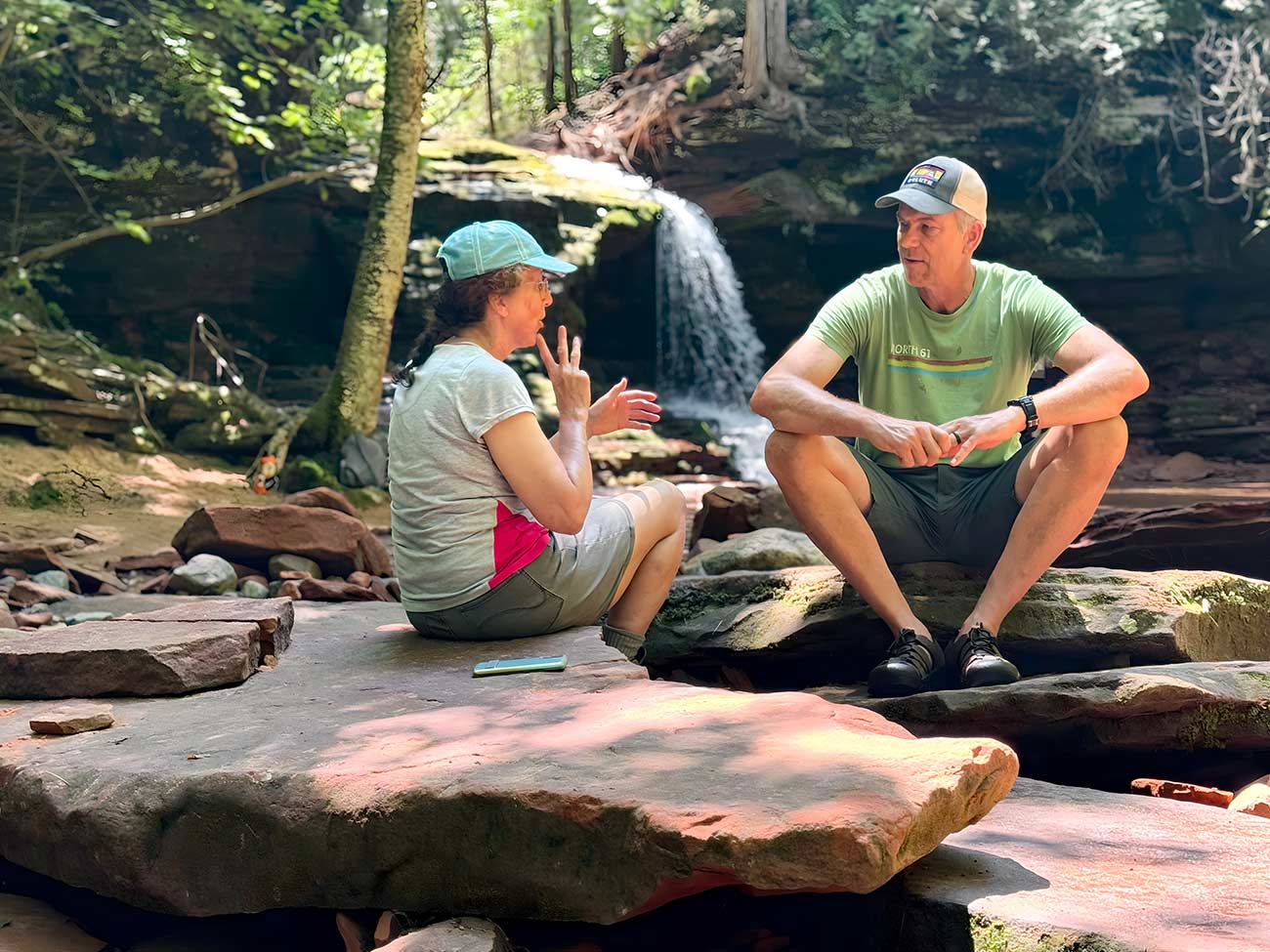
If you’re looking to get your family (whoever that may be), friends, youth group, community group, company, etc., outside this fall, Wilderness Inquiry is ready to help. Tjaden says even a cold call can get the ball rolling, but more information can be found on their website.
Tjaden says Wilderness Inquiry is always looking for new trip opportunities, but that developing a custom trip may take longer.
There are also lots of ways to connect with Wilderness Inquiry and its mission without going on a trip. Even those with minimal outdoor experience can join the team as a seasonal trip leader, thanks to their extensive training program and dedication to increasing staff diversity.
The discoveries to be made in nature are endless, but Tjaden emphasizes how people discover their own resilience on Wilderness Inquiry trips — an important reminder for marginalized folks of all backgrounds.
“I see a lot of ‘I didn’t know that I could do that. I’m so proud of myself,’” Tjaden says.
Autumn, after all, is the season of transformation. On your next trip outdoors, who knows what you’ll find.


5200 Willson Road, Suite 316 • Edina, MN 55424
©2026 Lavender Media, Inc.
PICKUP AT ONE OF OUR DISTRIBUTION SITES IS LIMITED TO ONE COPY PER PERSON