


A Word In Edgewise: What Apartheid Couldn’t Achieve…
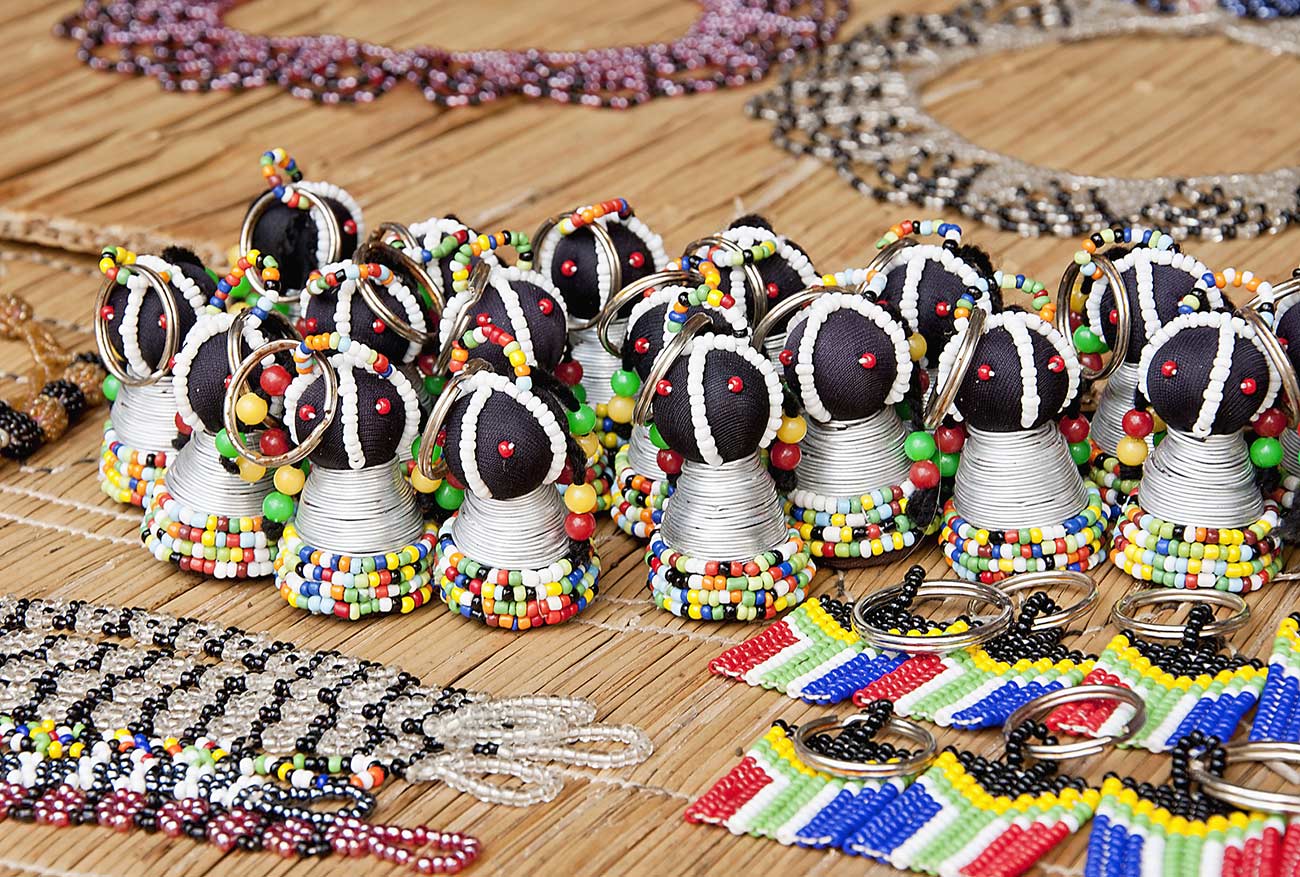
The cover of Lavender’s 300th issue was bright with promise. Against a bright red background was a circle of beaded figures made by HIV-positive women from Gugulethu, South Africa, who worked from home, learning and using ancestral skills that enabled them to earn a living while tending their children.
The craft had died out during Apartheid, when the prices of beads made them inaccessible to the poor. When two ceramists saw a figure made by an assistant who’d used some of their pearls, they envisioned a possible financial future. Sidestepping prohibitive restrictions, they provided the women with free beads, then bought the finished product from them, returning the sale money as cash for food, medical care and other needed services.
Monkeybiz was in town at the invitation of the Women’s Club of Minneapolis. The club was hosting the premiere of the film documentary “Bigger than Barbie,” directed by Norwegian filmmaker Tina Davis, who had followed the lives of several of these women. The following day was the third annual beadwork sale on the Skyway Level in City Center. Buyers snapped up some 1,200 pieces, from 3-inch angels to 3-foot dolls, with all proceeds from both events going to benefit Open Arms of Minnesota’s HIV/AIDS programs.
Kevin Winge, then Executive Director of Open Arms, recalls, “I was seeing similarities between the lack of a global response to HIV/AIDS when it was impacting poor Black people in Africa and how our government failed to respond to HIV/AIDS in the 1980s, when it was gay men and IV drug users being impacted.
“To learn more, I went to the International AIDS conference in Durban, South Africa, in 2000. Before the conference, I spent a week with AIDS activists working in Gugulethu to see what was (actually, what was not) happening with AIDS in South Africa in those days.
“Since then, I’ve been to South Africa at least 25 times. Through Open Arms, we began providing meals and food to HIV-positive people in Gugulethu, starting in 2001. I met the women in Monkeybiz in 2003 — just three years after they started the organization.”
Word spread through advertising and friends spotting the unique pieces in friends’ homes. Sales grew, and the artists, the women themselves, grew in talent and self-confidence. Popularity, and even placement in fashionable boutiques like Donna Karan in New York, were proliferating artwork from Gugulethu.
It’s the way good works spread, and it gave the artists collectively a sense of pride and a heretofore undreamed-of independence, the ability to buy food and a little something beyond, and access to better medical treatment for overall health and strength. Small children could remain under their mothers’ care throughout the day, lessening physical and mental drain on the women’s already taxed energy.
It would be pleasing to report that this routine continues, but the recent punitive 30% tariffs our president has leveled against South Africa have curtailed sales of their beadwork in the United States. It’s simple math.
For example, Winge explains, “If a Monkeybiz piece wholesale cost is $50, it is now $65 with the tariff. Then, there is a shipping cost of $20, so the cost to a US retailer is now $85 for a relatively small piece. If they add 50% for profit, that puts the retail cost at $127. That is cost-prohibitive. Trump’s tariffs on South Africa are the highest of any country. Net result: the tariff is taking food out of children’s mouths in South Africa.”
Winge, recently returned from South Africa, found the women’s lives now markedly different.
“At the highest, Monkeybiz had 450 beaders. When I met with them on this recent visit, I tried to learn how many were still employed, but it didn’t seem to be a conversation they wanted to have,” Winge says. “Most of the beaders live in one of South Africa’s largest townships, Khayelitsha. Wikipedia says it’s ‘one of the top five largest slums in the world.’”
The hopes displayed on Lavender’s cheerful 2006 World AIDS Day cover have dimmed for these women and their children — collateral damage like many others caught up in global ego/power squabbles beyond their ken.
On a brighter note, ImageHaus Creative Director Jay Miller, an advocate of Open Arms and the South African beadwork, will be opening a pop-up store, One-of-a-Kind, featuring a selection of vintage and new Monkeybiz pieces on February 7 in Golden Valley.
Kevin Winge can be contacted at [email protected].




5200 Willson Road, Suite 316 • Edina, MN 55424
©2026 Lavender Media, Inc.
PICKUP AT ONE OF OUR DISTRIBUTION SITES IS LIMITED TO ONE COPY PER PERSON