



A Love Letter to Character, Community and Honesty: Stillwater’s Midtown Antiques
Midtown Antiques isn’t just a building where buying and selling occur; rather, it stands as a love letter to craftsmanship, authenticity, character and the art of meaning. And, for more than three decades, owner Julie and a collective of 65 dealers have filled the former Simonet’s building with collections that complement one another, rather than compete.
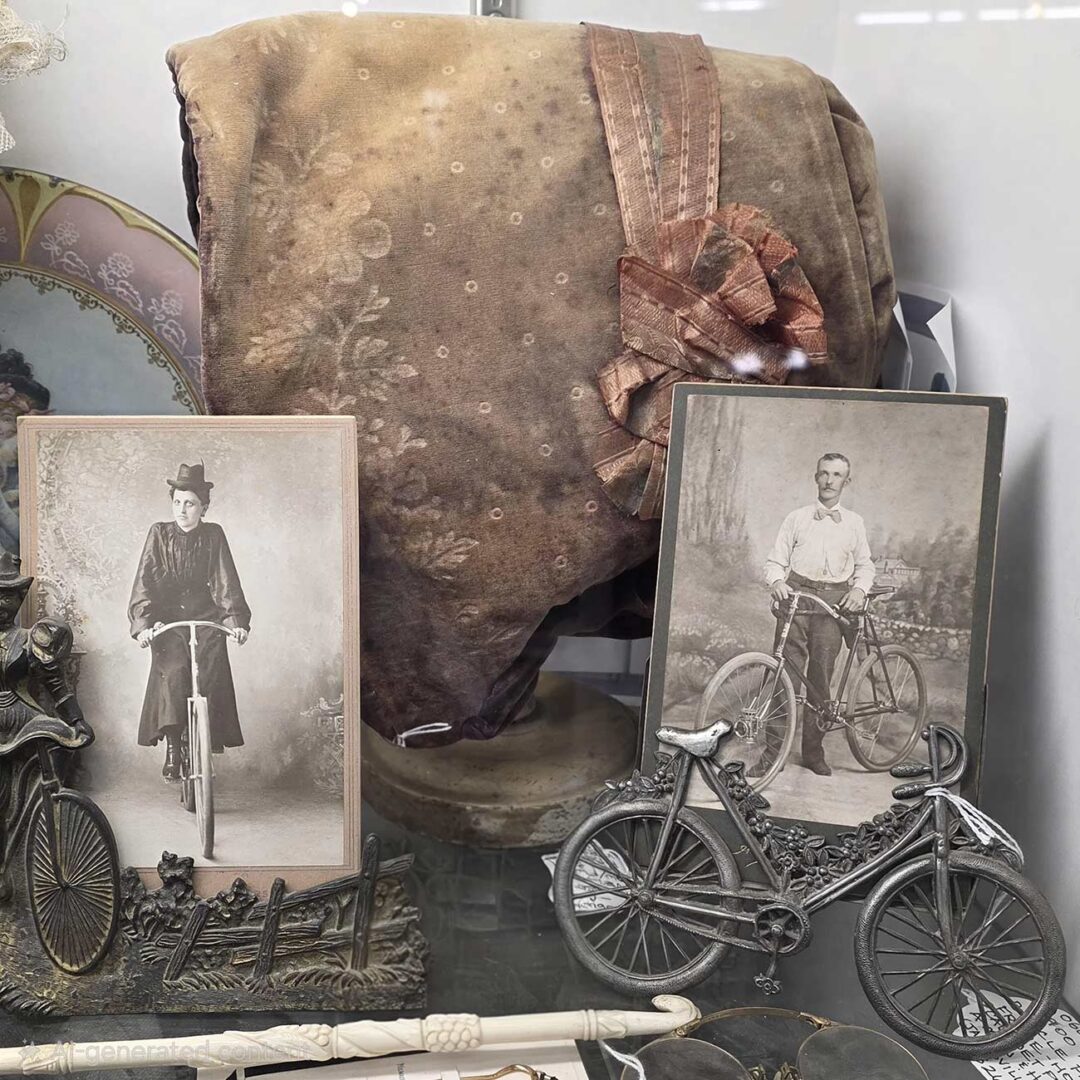
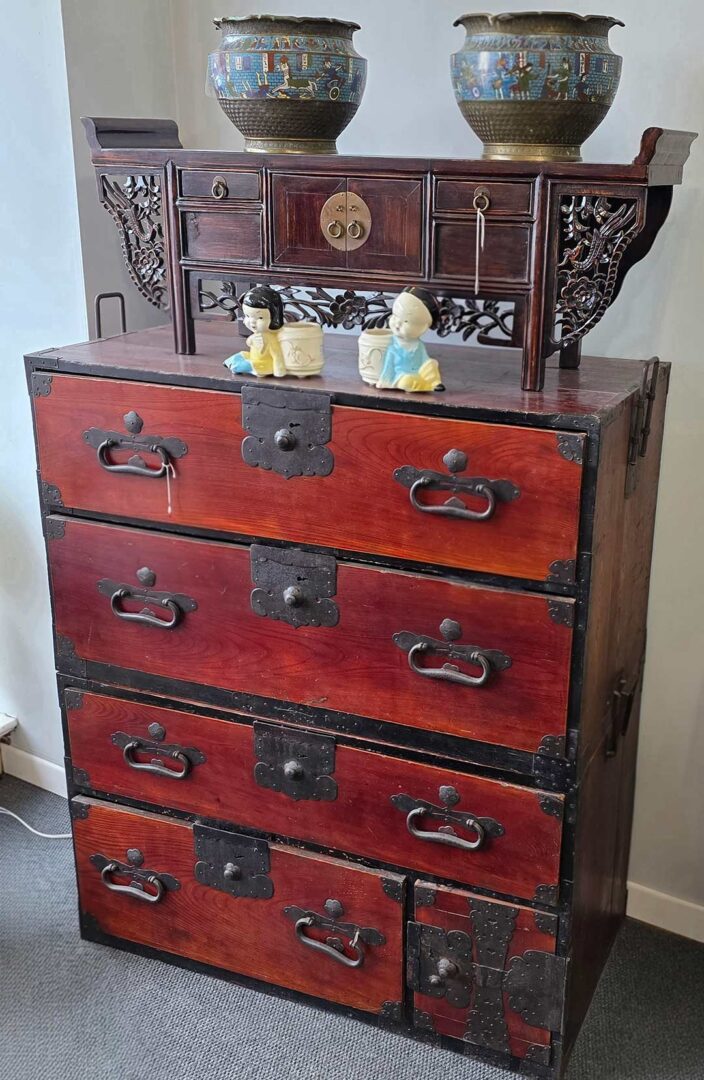
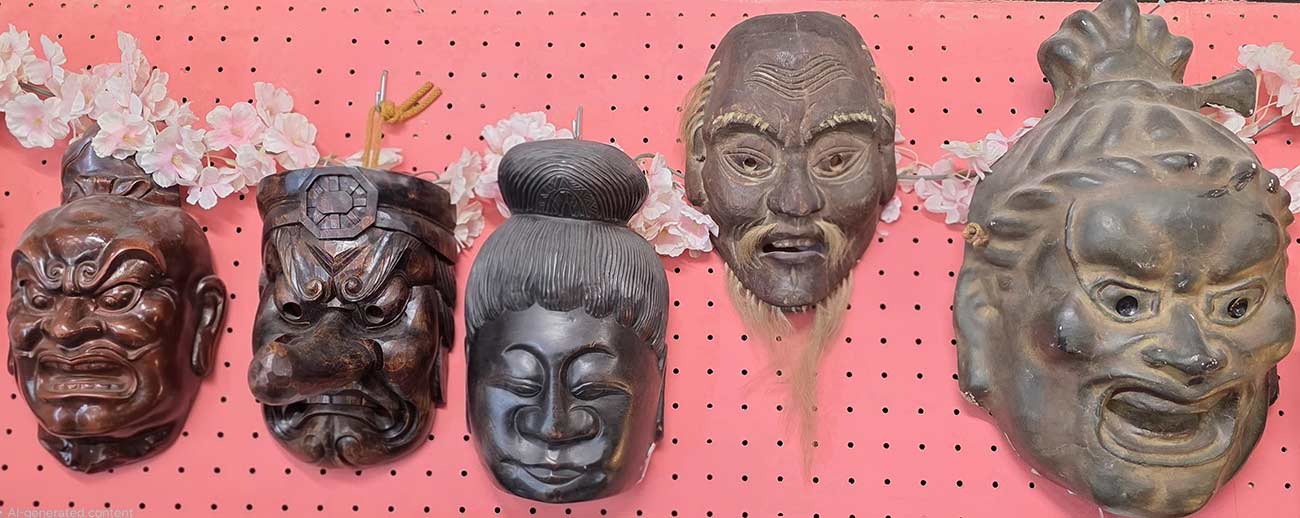
Carrying history and intricacy, the shop is filled with an array of pieces from different cultures and decades: from Victorian furniture and pieces composed of Art Deco linework to mid-century lamps, Fenton and Depression glass, and primitive pieces.
And, although Julie Kranz may be the quiet force behind Midtown Antiques, its manager, Dick Richter, the self-proclaimed extrovert, does most of the storytelling and talking about the origins and story of the shop. Still, he’s the first to point out that the vision, discipline and success of the shop all belong to Kranz.
Midtown Antiques started over 30 years ago when Kranz occupied a small building across the street from its current three-story building, which was purchased just five years later. When Kranz and her former husband divorced, she took over the building and the business venture, running it successfully ever since.
“As a matter of fact, the gross volume from that business is twice what it probably was, and that is because of Julie and our customer base,” Richter says.
From looking for something to remind themselves of a grandparent, looking for a type of rare craftsmanship you can’t get commercially, to craving artistry, Richter says these are all reasons that enhance the business’s success.
“One of the things that I personally have found is that in many cases, there’s a lot of younger people now in their 20s and 30s, that recognize this, the beauty in the design and craftsmanship from years past, because what they see in in the stores today is is obviously quick and dirty with glitter to appeal to the eyes, and you know — cost be damned,” Richter says.
Beyond the appeal of design and aesthetic, Midtown combats waste just by existing in the community. Just in the Twin Cities alone, the amount of garbage going into metro landfills has increased by more than 30% in just one year, generating 3.3 million tons each year, according to the Minnesota Pollution Control Agency.
“It’s kind of neat to think that whether you’re looking at a piece that’s on the shelf or in your bedroom, that a person designed it and built it took with them that knowledge,” Richter says. “And we’ve kept it alive, and the customers that come in appreciate that because most of the money spent at Midtown is discretionary.”
According to Richter (and federal law, for that matter), for an item to be considered an antique, it has to be at least 100 years old. Oftentimes, that’s not understood. People mislabel a vintage item as an antique, and although it makes it a “collectible,” Midtown doesn’t accept reproductions.
The voyage items take before entering Midtown and the community
In fact, what makes the store so special is its layered criteria on what items Midtown accepts; since they don’t just take anything, Richter says it makes for a competitive consumer experience.
Owner and curator, Kranz enforces two clear guidelines for new dealers: no mass-produced or commercially sold goods (such as candles or a reselling of online-purchased items), and new incoming inventory must work to complement existing pieces, rather than compete with them, to create a stock that isn’t repetitive.
When someone comes into the shop who isn’t already a registered dealer with Midtown, the next steps usually consist of Richter passing the lead onto one (or several) of their dealers, asking the owner to send a picture of their item(s) to the dealer.
Upon receiving the items, dealers then inspect the items for chips and cracks (if cracks are present, they do not make it into the store) and check for “specialization,” which analyzes if an item is unique from sets they already own and sell.
If an item does not make it past either of those processes, Richter tells customers to either list the item on Facebook Marketplace or Craigslist, or ideally, donate the item to Goodwill.

“This way, somebody else can reuse it, because if someone needs to have a bowl, because they can’t afford to go to Target and buy a bowl, but if they can go to a family store and get the bowl for $1.50, then that is helping the community,” Richter says.
Beyond policies and guidelines for dealers, Midtown prides itself on being fair and honest in the way they market their antiques, meaning it would rather lose a sale than misrepresent and collect money.
“If you ask me about a piece, and I know it’s not 1902 — I know it was made in 1942 — I’m going to tell you that, not to ruin the sale, but I want you to know that you’re going to be treated with respect and honesty, and that should make them feel comfortable to come there to shop,” Richter says.





5200 Willson Road, Suite 316 • Edina, MN 55424
©2026 Lavender Media, Inc.
PICKUP AT ONE OF OUR DISTRIBUTION SITES IS LIMITED TO ONE COPY PER PERSON