




Twin Cities Gemini coach brings over two decades of rugby experience to her team
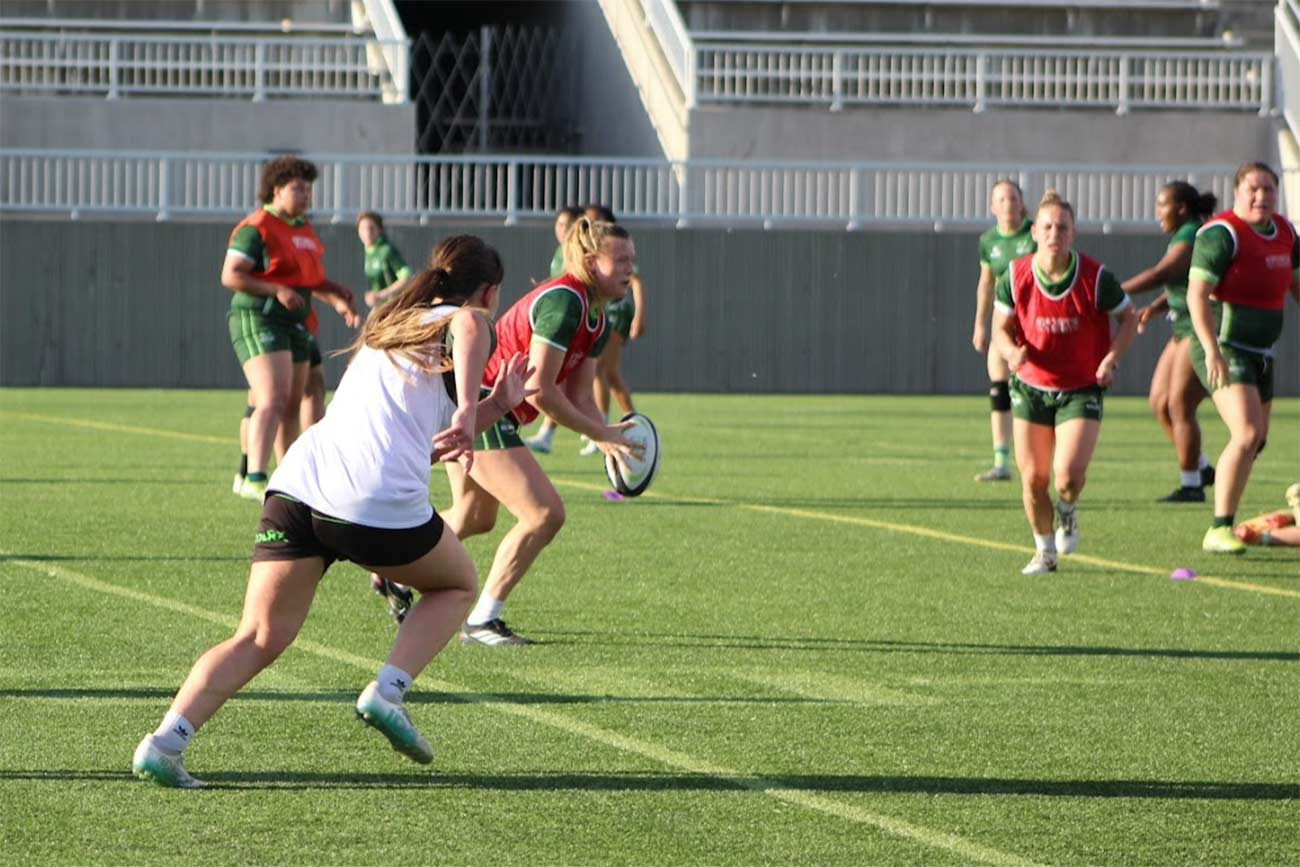
When Sylvia Braaten first stepped onto the rugby pitch over two decades ago, she never imagined she would one day be the head coach of a professional women’s rugby team. After all, such a job would require a professional women’s rugby team to exist in the first place, and that was still a far cry from happening, at least in the U.S. Braaten just knew she loved the sport, and she was good at it.
More than 20 years, two Women’s Rugby World Cup appearances and a successful collegiate coaching career later, she began a job she never could’ve dreamed of as the head coach of the Twin Cities Gemini.
“If you would have asked me years ago if I’d be working in rugby full-time, I would have never anticipated this,” Braaten says. “It’s a blessing to be able to work in rugby full-time, and the team is just awesome.”
The Gemini is one of six teams in Women’s Elite Rugby (WER), the first and only professional women’s rugby league in the country. WER was established in 2023 and began play in 2025, becoming the first women’s rugby league in the country to operate outside of the pay-to-play model. Its second season is currently underway.
Before becoming head coach of the Gemini, Braaten amassed over 15 years of coaching and performance training experience with the USA Women’s Rugby Team and Harvard University. At Harvard, she saw the impact of rugby’s growth in an increase in high school programs, which allowed her to recruit players who already had experience with the game.
“We were able to recruit from several different high schools and bring players in who already had four years of experience,” Braaten says. “That was massive because when I started playing, the vast majority of players didn’t find it until college, so we were just way behind from a skill development and basic rugby IQ standpoint.”
Shortly before WER announced the Twin Cities as home to one of the teams, Braaten decided to leave her job at Harvard. The team had been successful — earning numerous national championships between the 15s and 7s teams — but Braaten was ready to return to Minnesota.
The Twin Cities is where she spent the majority of her adult life, where her wife still lived and where she considered home. It’s also a major rugby hub, according to Braaten. She spent many years competing for the Twin Cities Amazons, the highest-level team in the state at the time, and even helped the team to a national championship.
“Last year was the first year of this brand new women’s professional league, and I went into the season thinking, ‘What would success be for us?’” Braaten says. “And for me, I realized it was building something that every player was proud to be a part of and where every player felt valued.”
This year, the Gemini can build off of this foundation with 21 of their 30 contract players returning from last season.
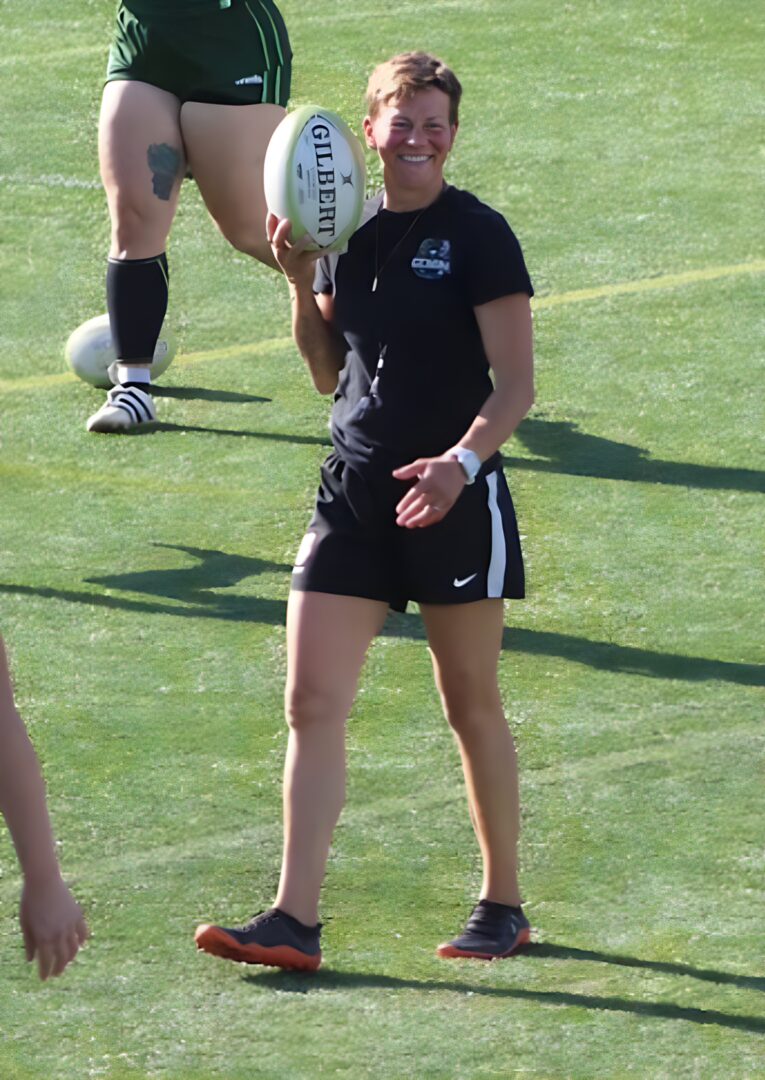
Throughout her time playing and coaching rugby, Braaten had the opportunity to work with many coaches to develop her coaching philosophy.
“I think two things are really important in order to create an environment where a team and its players can really thrive,” Braaten says. “First, you need a higher level of trust and care. Something that’s really important to me in terms of creating a space where not only they feel valued and cared for, but they can be their true, authentic selves unapologetically.”
This sense of care is part of what makes the rugby community, according to both Braaten and Gemini player Emily Mack. Mack has played quite a few sports and found beautiful communities through them, but she says the community that rugby brings is “unmatched”.
“The unconditional love and acceptance that you can find is pretty awesome,” Mack says. “They welcome you, whoever you are and whatever your background — they just want to have you play and give you some love, I guess. It might not look like that during the game, but it’s true.”
The second thing a team needs to thrive, according to Braaten, is competitive drive. This may seem antithetical to the community-oriented nature of the sport, but she finds they actually go hand in hand.
“There needs to be high-level competitive excellence focus,” Braaten says. “We’re striving to get better every single day and challenging each other, holding each other accountable. And I think when you have the trust and care, you can do that in a much better way.”
This approach seems to be working. At the time of writing, the Gemini are ranked first in the league, and the team hopes to make it to at least the semi-finals this year.
But Braaten’s aspirations go beyond just goals for her team — she also wants to see women’s rugby continue to grow. It’s come a long way from the pay-to-play model she experienced as a player. WER covers players’ expenses associated with rugby, such as travel and gear.
However, WER does not pay athletes a livable wage, so athletes still have full-time jobs to cover their expenses. Braaten, who describes herself as a “perpetual optimist”, believes the league is moving in the direction of paying players full-time. If this happens, it could help attract American players who currently play overseas.
“Right now, a lot of [USA Women’s National Team] players are going over to England, because they’re able to train full-time there,” Braaten says. “If we can get our league to the point … where players are getting paid a salary, paid to relocate if they need to, a lot of those players [may come back] and our league will be even more competitive.”






5200 Willson Road, Suite 316 • Edina, MN 55424
©2026 Lavender Media, Inc.
PICKUP AT ONE OF OUR DISTRIBUTION SITES IS LIMITED TO ONE COPY PER PERSON